What are the different
foster programs?
Foster programs come in many shapes — from a single weekend stay to long-term medical care. Each one serves a different purpose, addresses a different need, and opens the door to a different kind of volunteer. Together, they form the backbone of any high-performing rescue organization.

Popular foster programs.
Discover foster programs that organizations across the country are using to increase placements, engage volunteers, and find more dogs their forever homes.
Foster Home
For people who would like to have and/or help a dog but something´s missing – can´t committ to a dog´s lifetime, don't have the funds? You still can give a dog a home and good care until it get´s adopted. Most shelters or rescues cover the costs for food and all medical treatments.
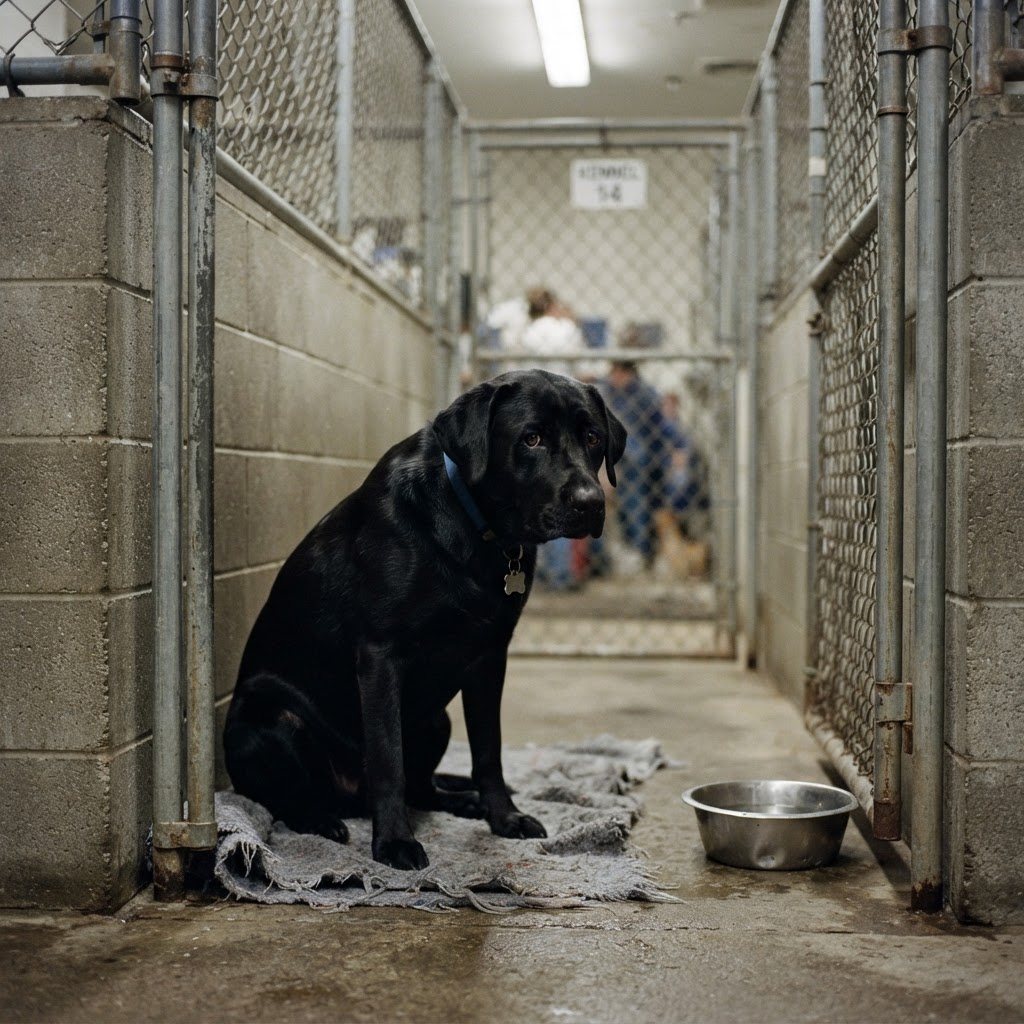 Before
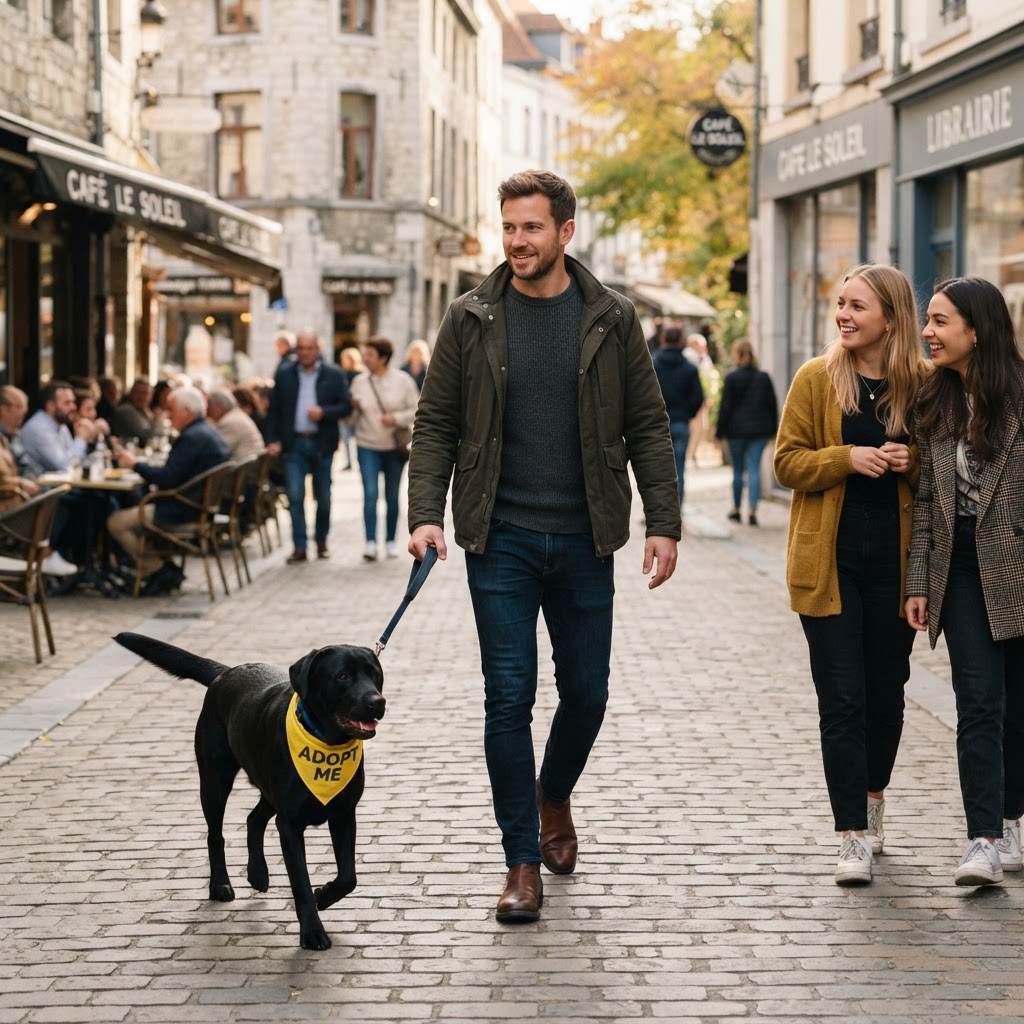 After
Foster to Adopt
A trial phase to see how a particular dog fits into your home and family — ideal for people who want to learn what having a dog is like. You provide food and all other necessities as if the dog were your own. One of the most successful paths to lasting, happy placements.
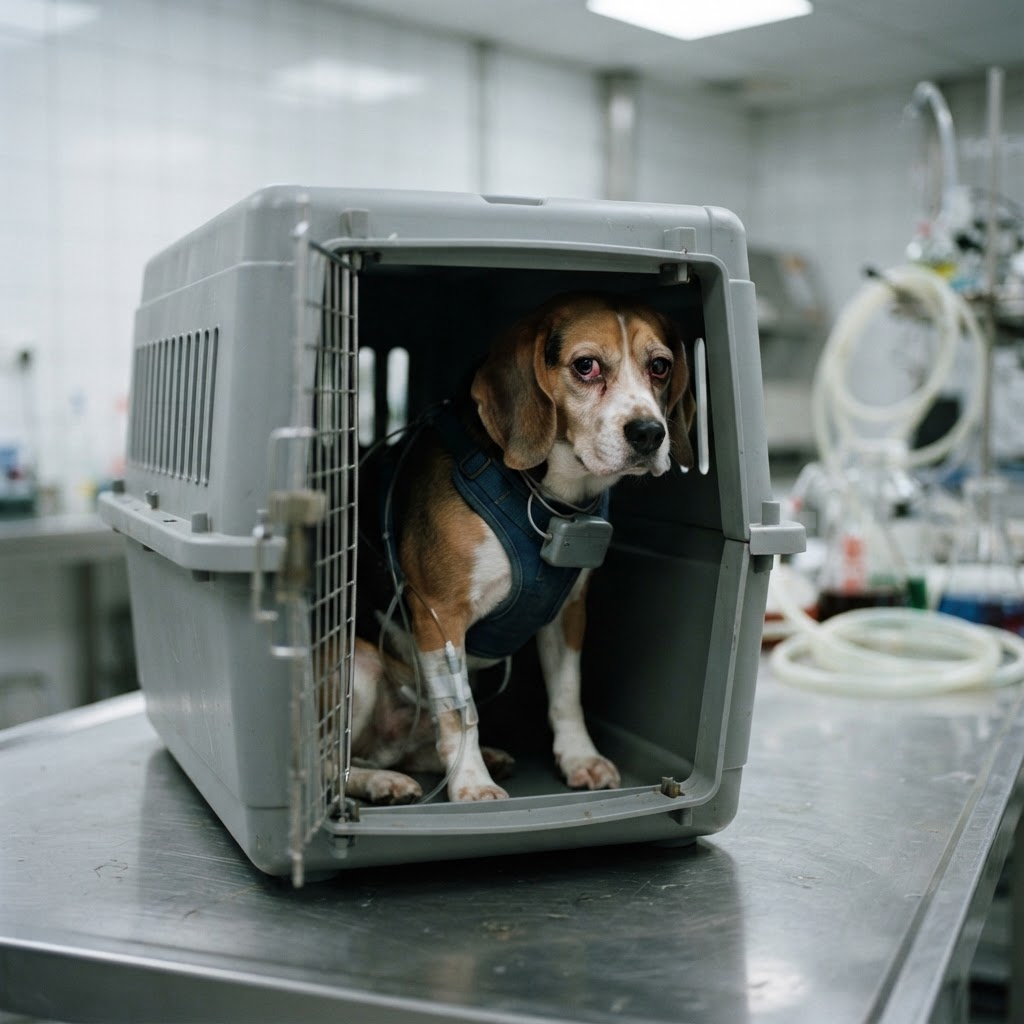 Before
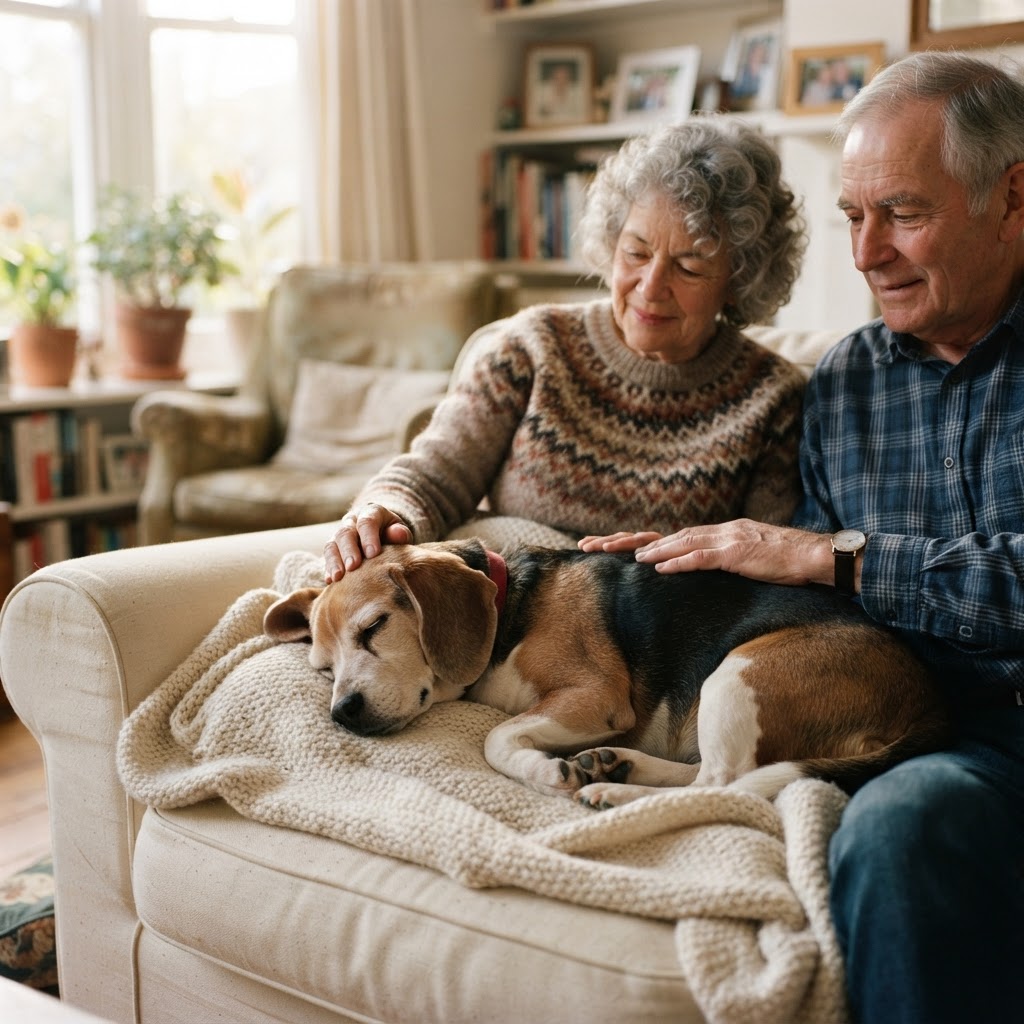 After
Short Term Foster
Short-term fostering for a week or a few weeks is an easy entry point for first-time fosters. It gives dogs a break from shelter stress, provides valuable behavioral insights from a home environment, and often results in the foster family sharing photos and stories with their own social networks.
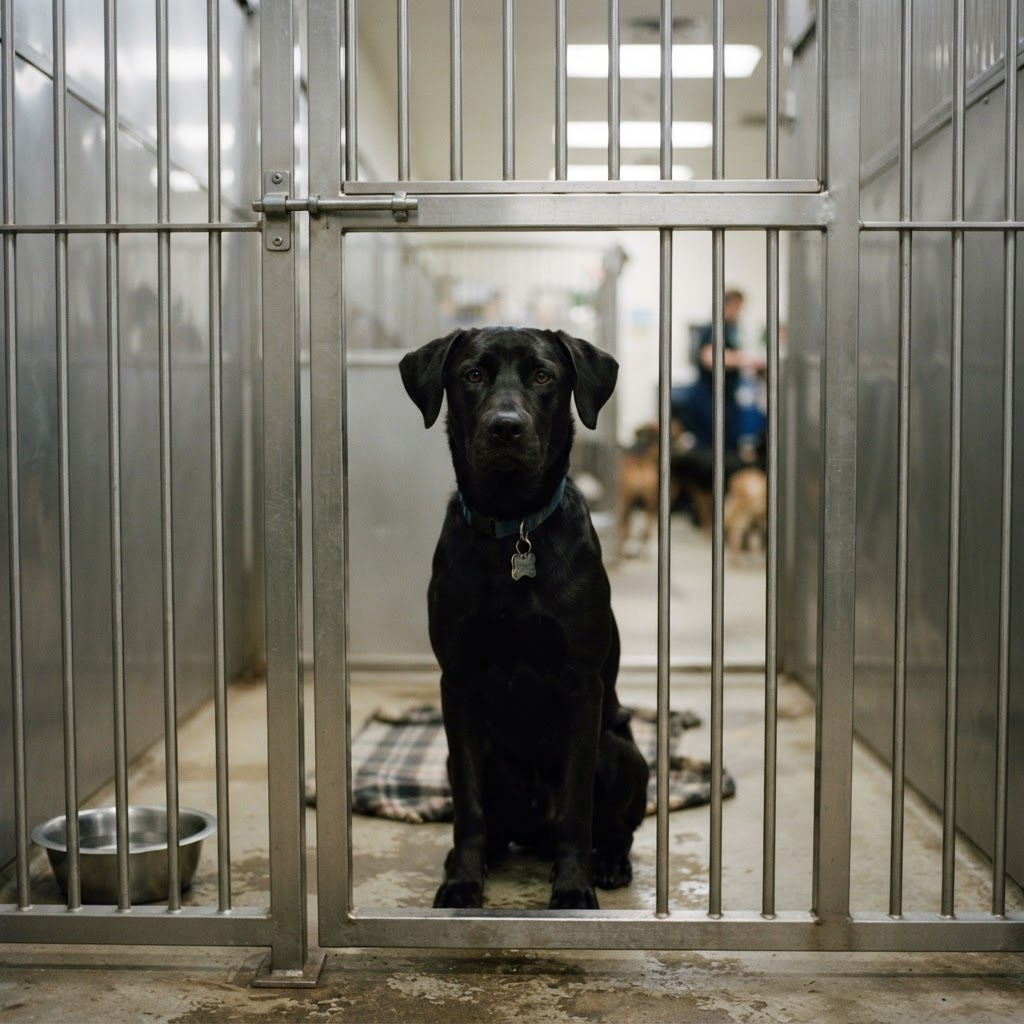 Before
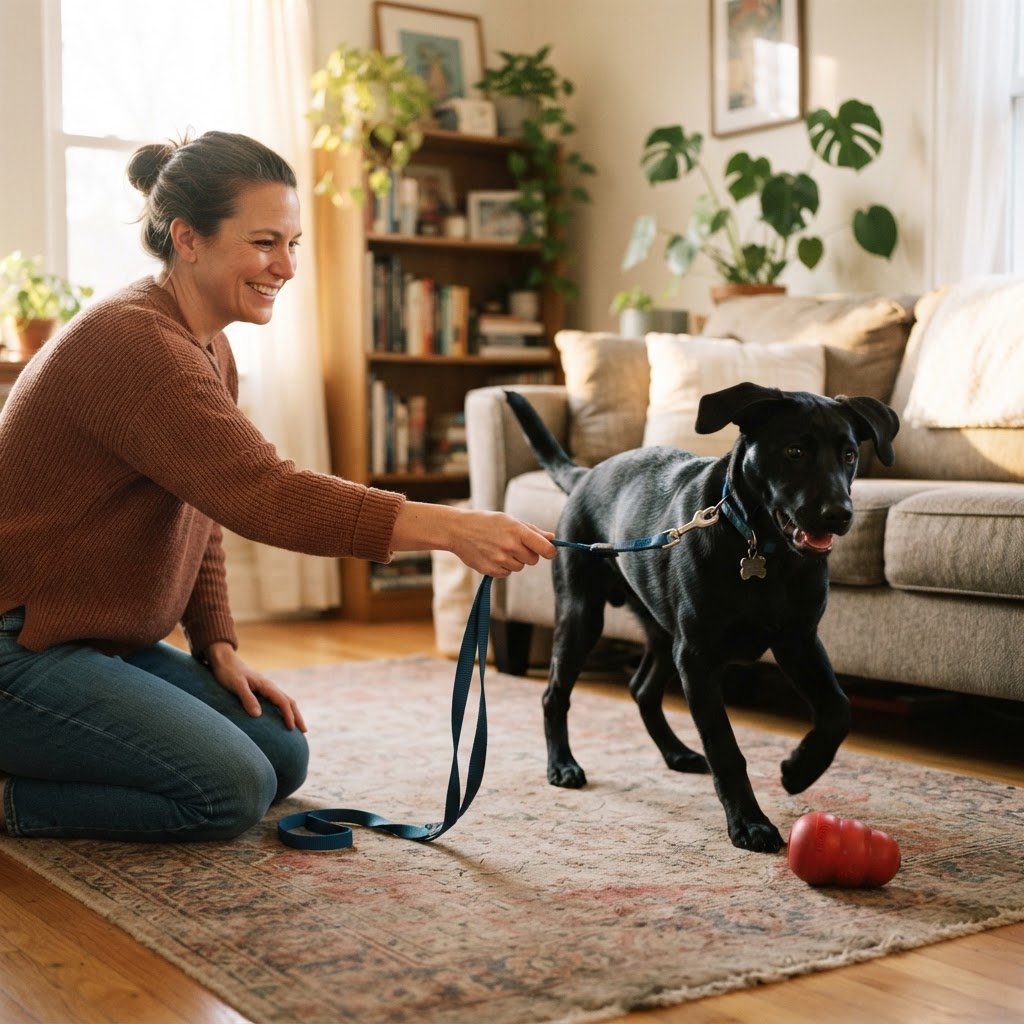 After
Emergency Foster
Step in on short notice when a dog urgently needs a safe place — due to overcrowding, owner surrender, natural disaster, or a shelter emergency. Emergency fosters provide immediate relief and can mean the difference between life and death for a dog in crisis. Estimated time: until a longer-term foster is found.
 Before
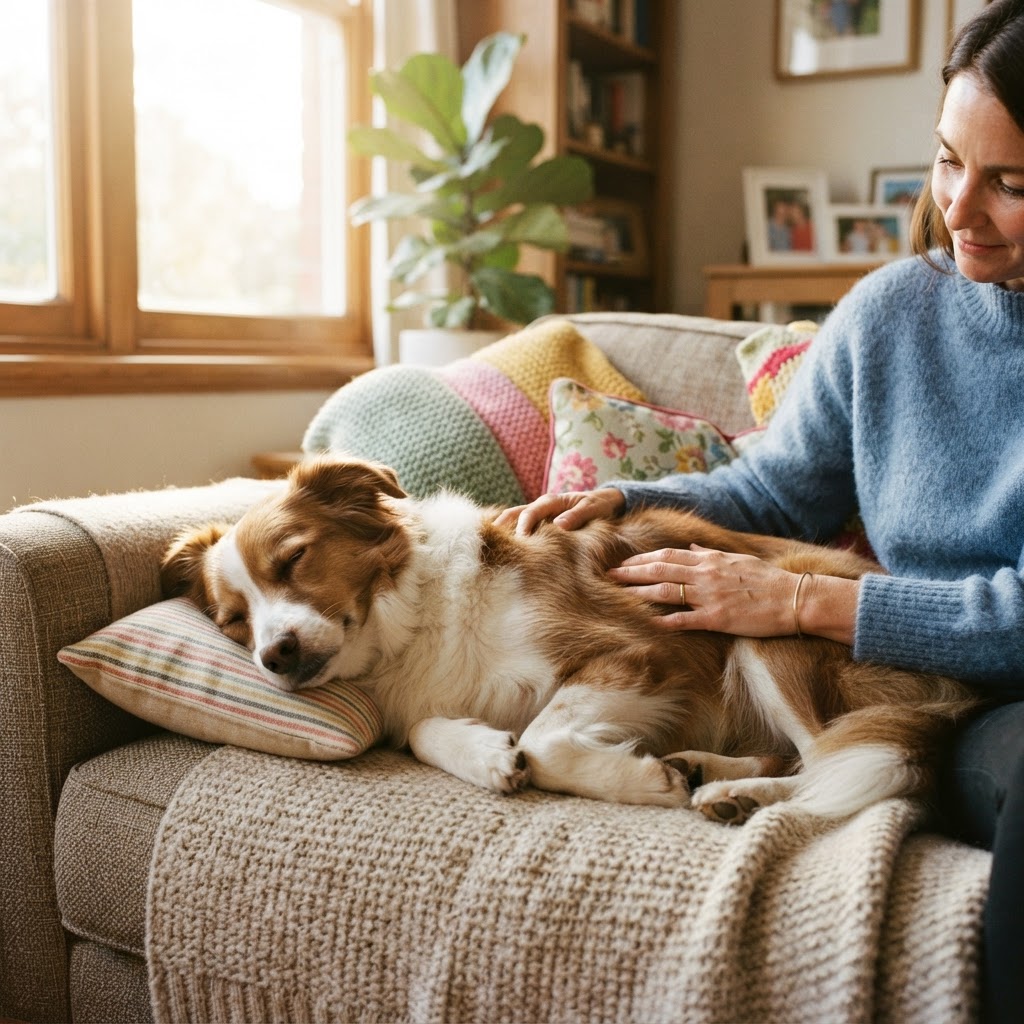 After
Weekender / Sleepover
Same as a Doggie Day Out, but for the full weekend. A great entry point for people who want to help but aren't ready for a longer commitment — and a much-needed holiday for the dog.
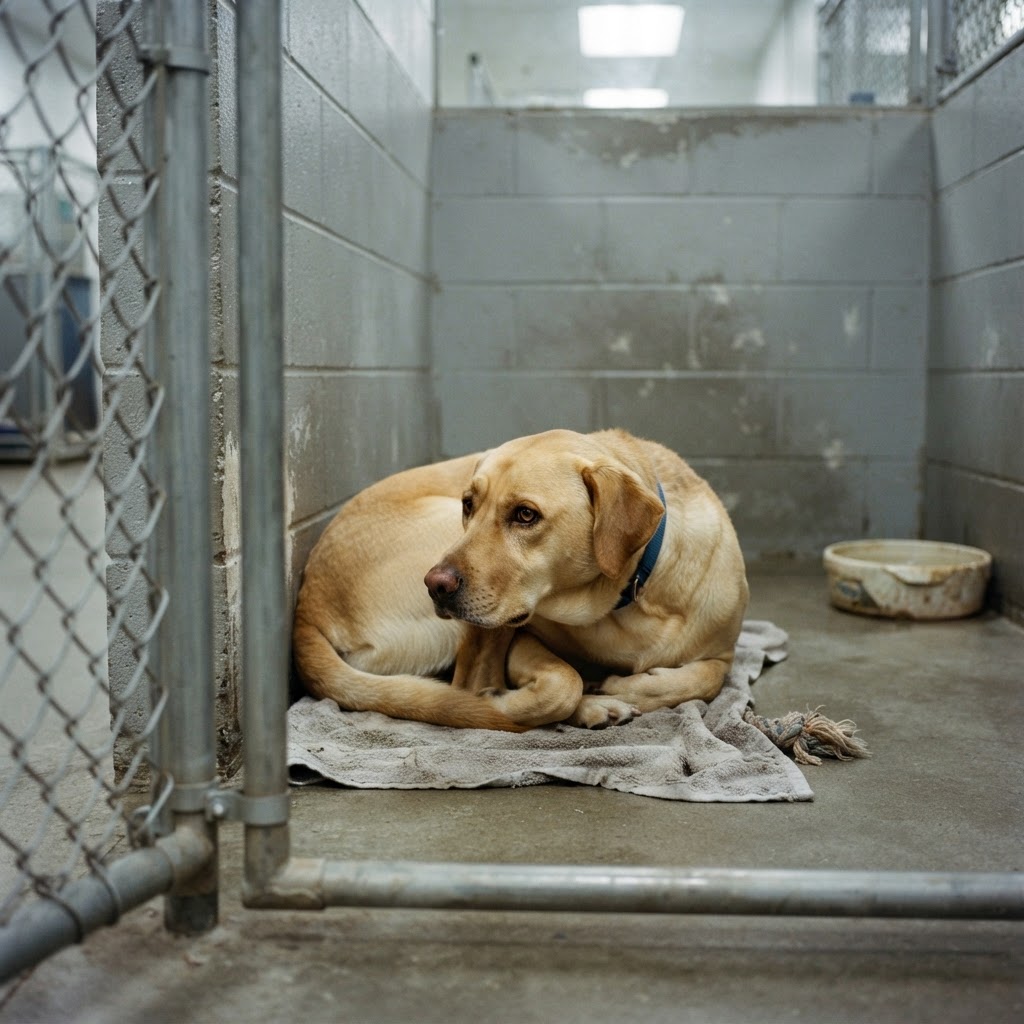 Before
 After
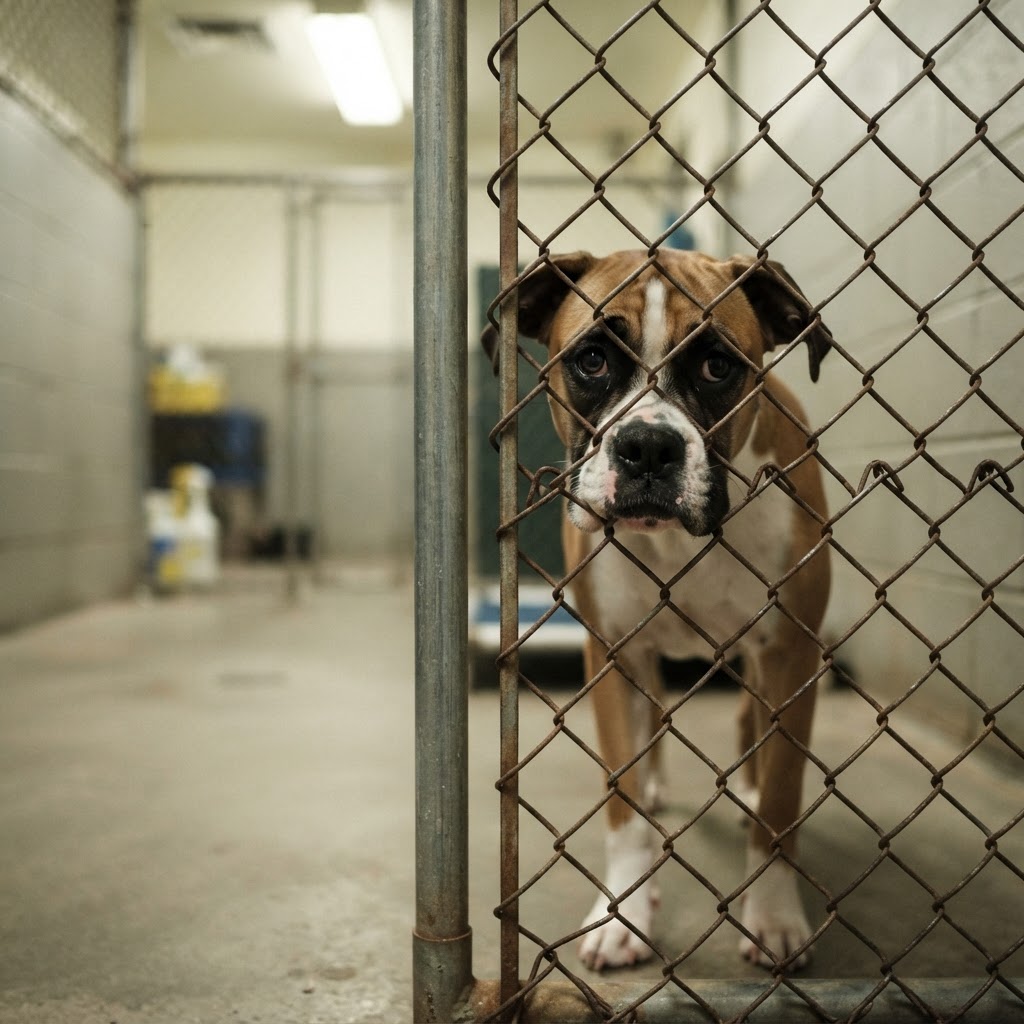
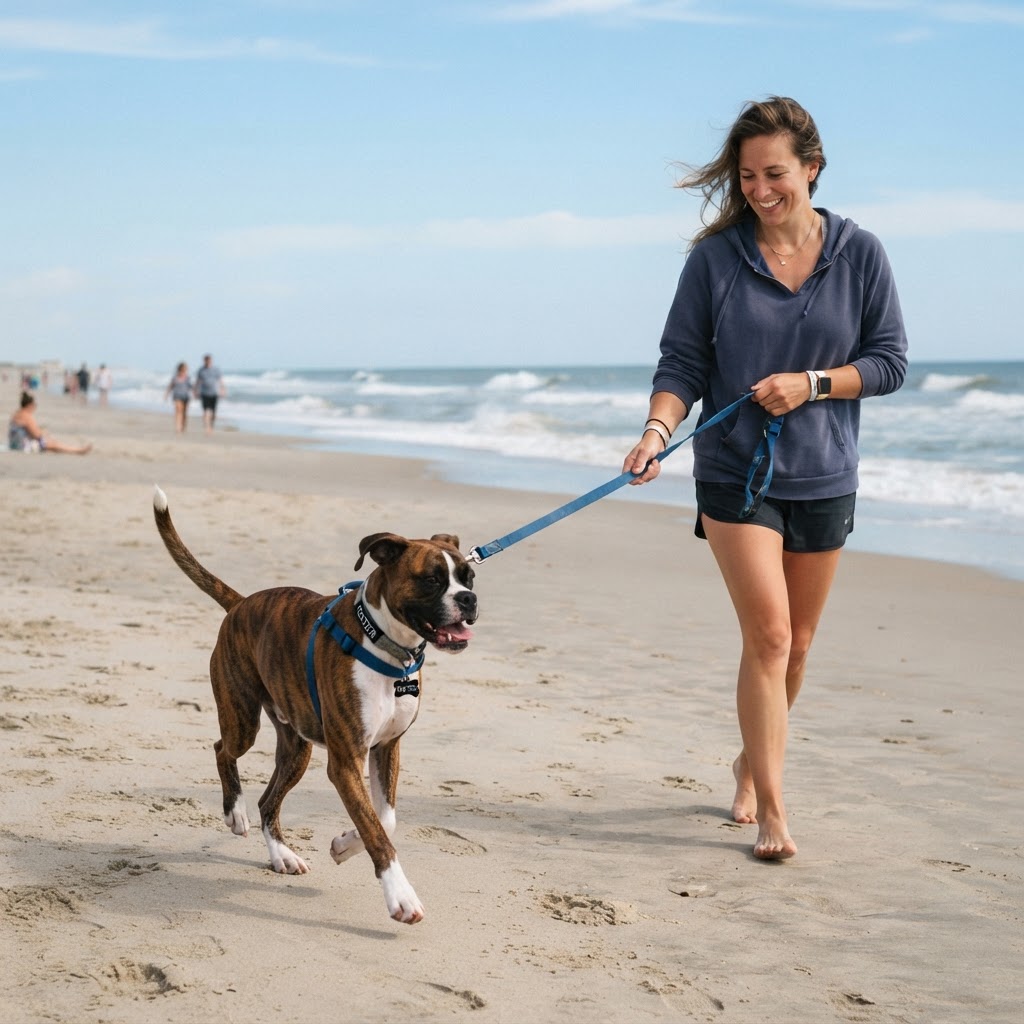
Doggie Day Out
Give a dog a break from the shelter. Take them somewhere like the beach, a long walk in a park or around town, a hike, or a short trip. Fun and happiness is helpful for their immune system and helps them endure their time in the kennel.
 Before
 After
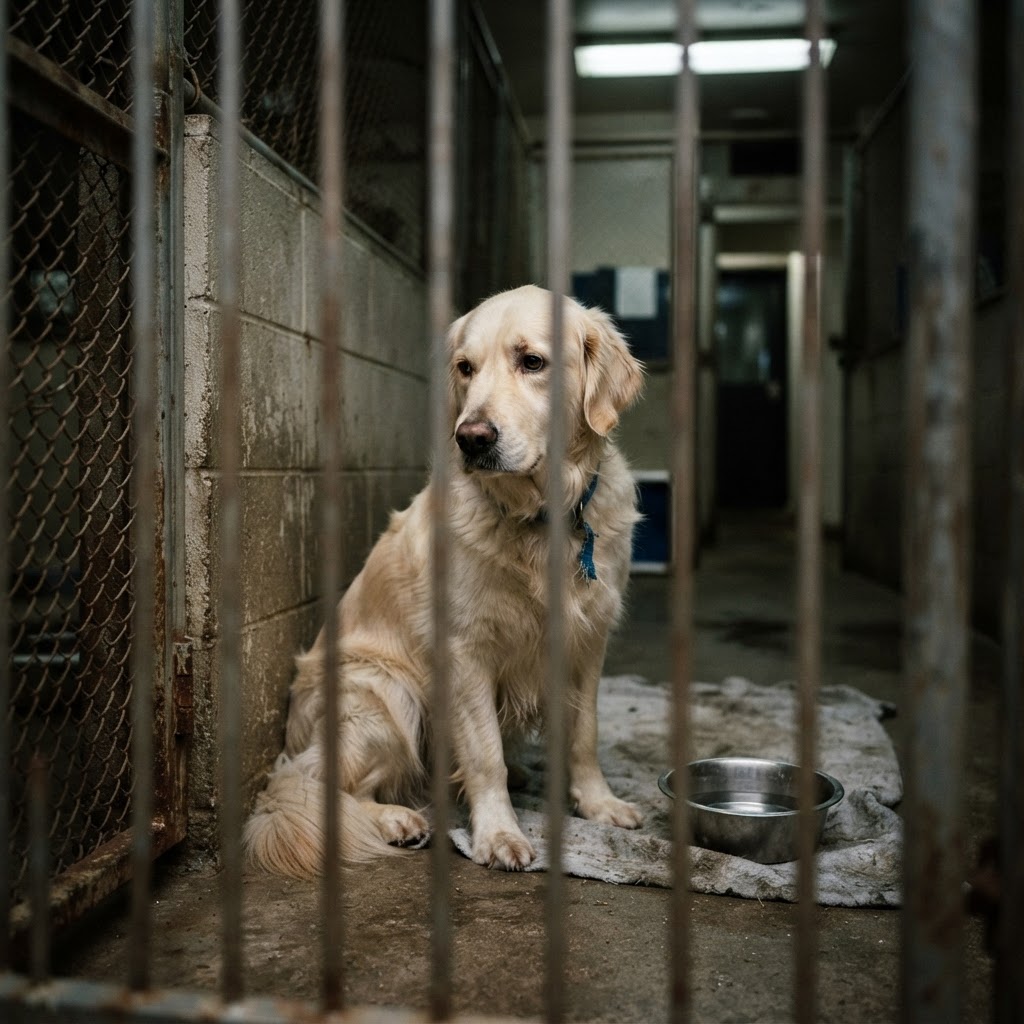
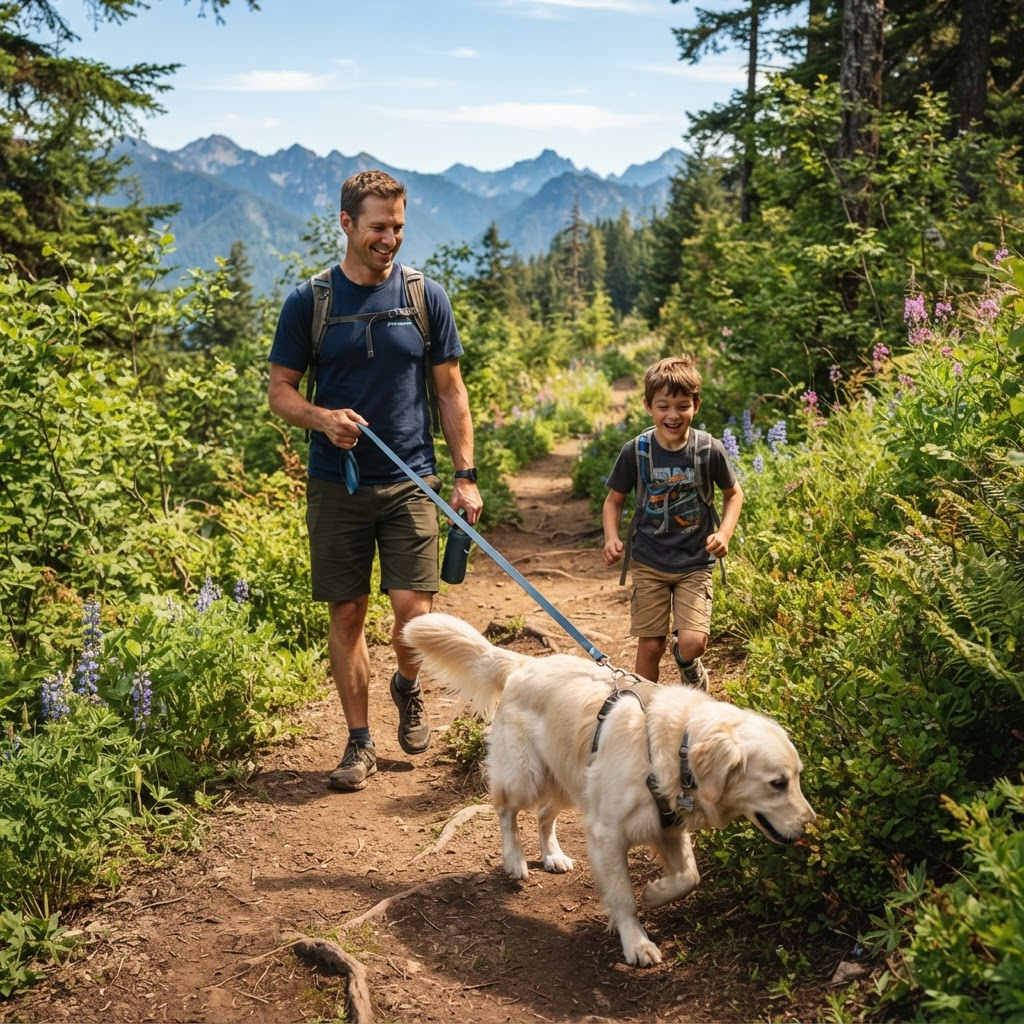
Seasonal Foster
Foster a dog during high-intake seasons like summer or the holidays when shelters experience surges. Seasonal fosters provide critical relief during the busiest times and help prevent overcrowding — often leading to permanent placements when foster families fall in love.
 Before
 After
Winter Fostering
Purpose: provide outside dogs a warm winter quarter. Best suited for fosters experienced with dogs kept outdoors (education provided). Estimated time: the cold 3–6 months of winter.
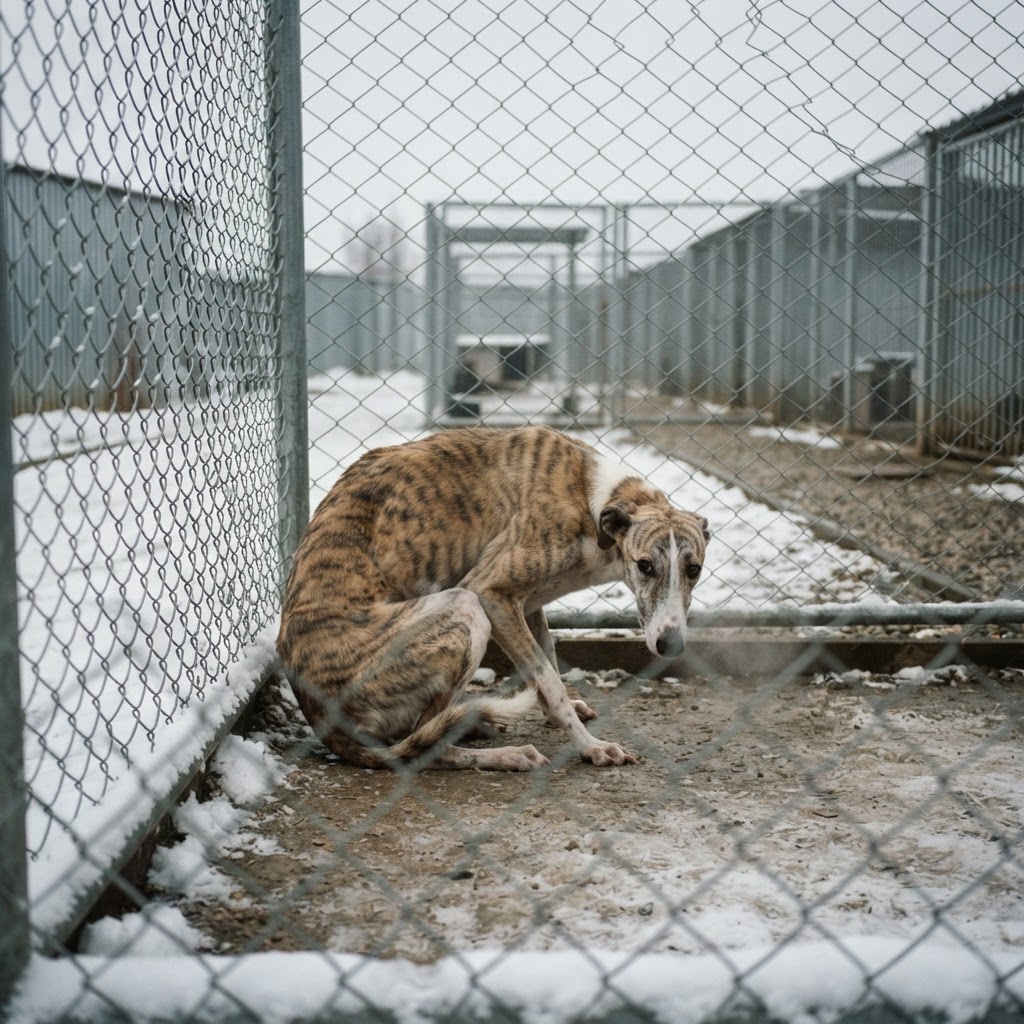 Before
 After
Holiday Fostering
Give sad rescue dogs waiting for a home a glimpse of what it could be like to have loving humans care for them. Any loving human who wants to do good can participate. Estimated time: 3–5 days over the holidays.
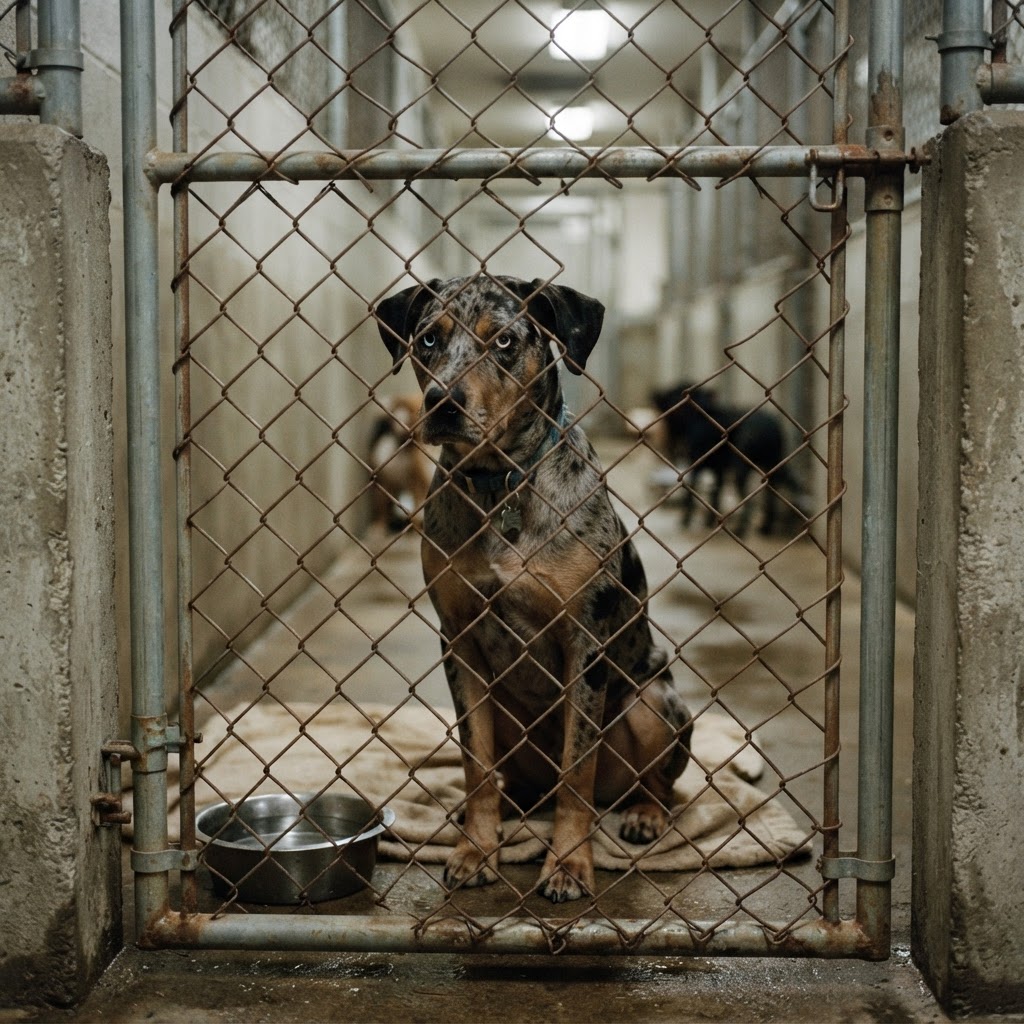 Before
 After
Relax Fostering
Purpose: provide stressed or elderly dogs a calm, peaceful, and relaxed home for them to take a break from the troubles of their life. Some alone time is okay; experience with stress relief for dogs is helpful (education provided). Estimated time: depends on the dog — we can match you up!
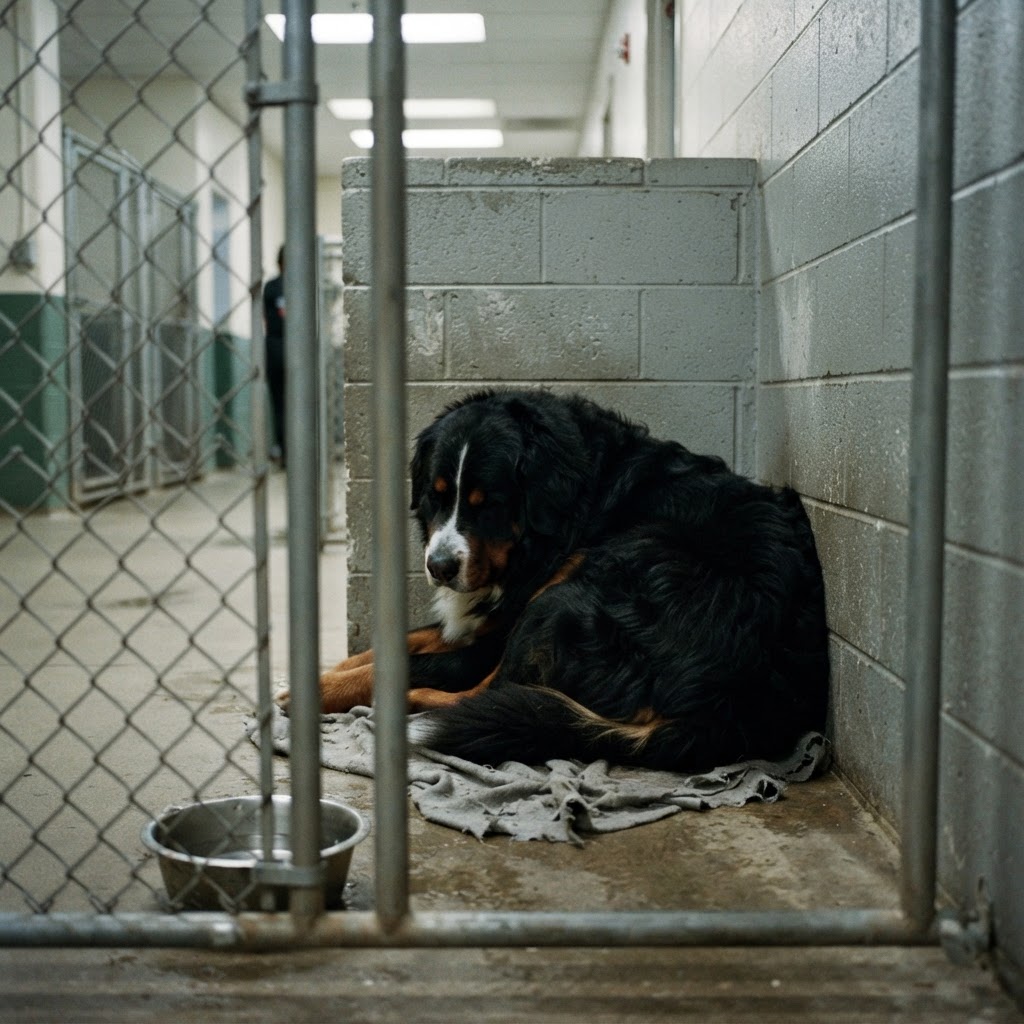 Before
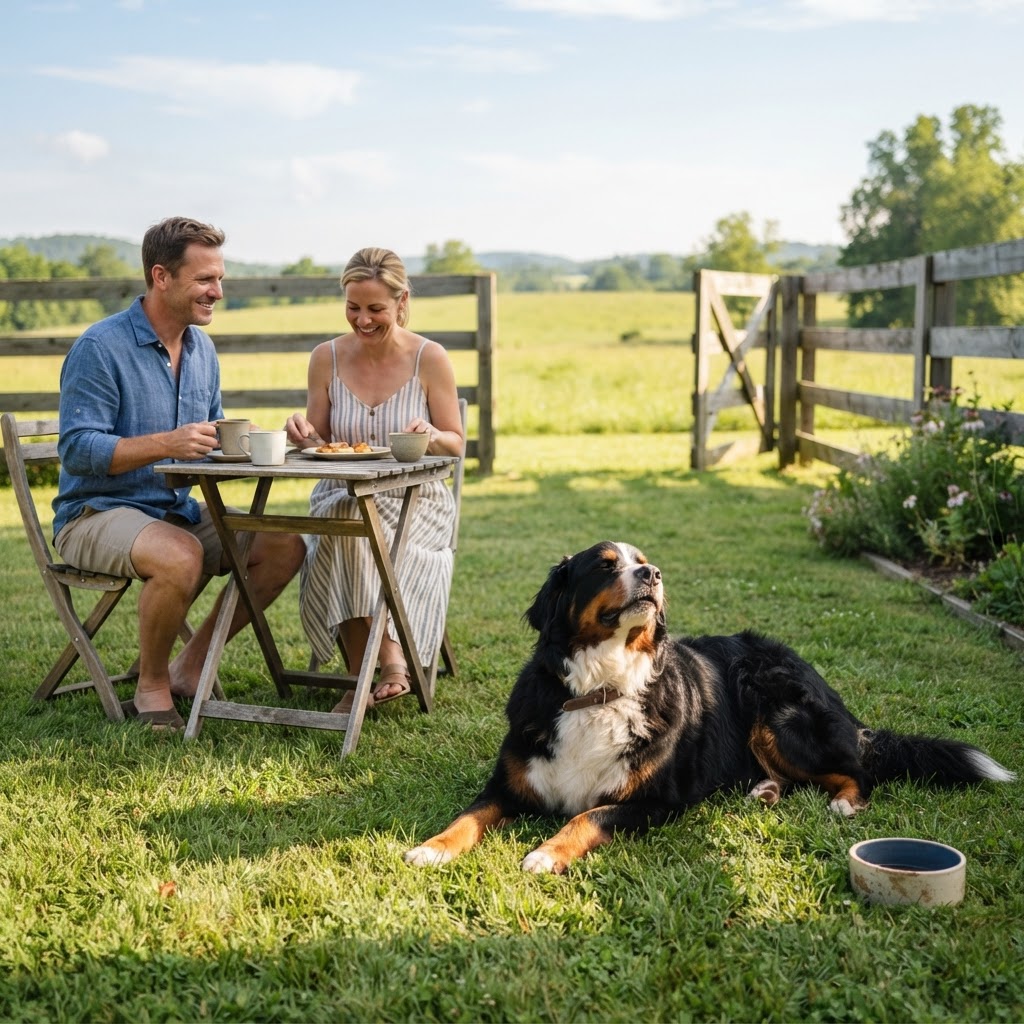 After
Recovery Fostering
Purpose: give dogs a calm and caring environment to recover from trauma and/or surgery. Best for experienced fosters who know the special needs of recovering dogs (education provided). Estimated time: 2–6 weeks.
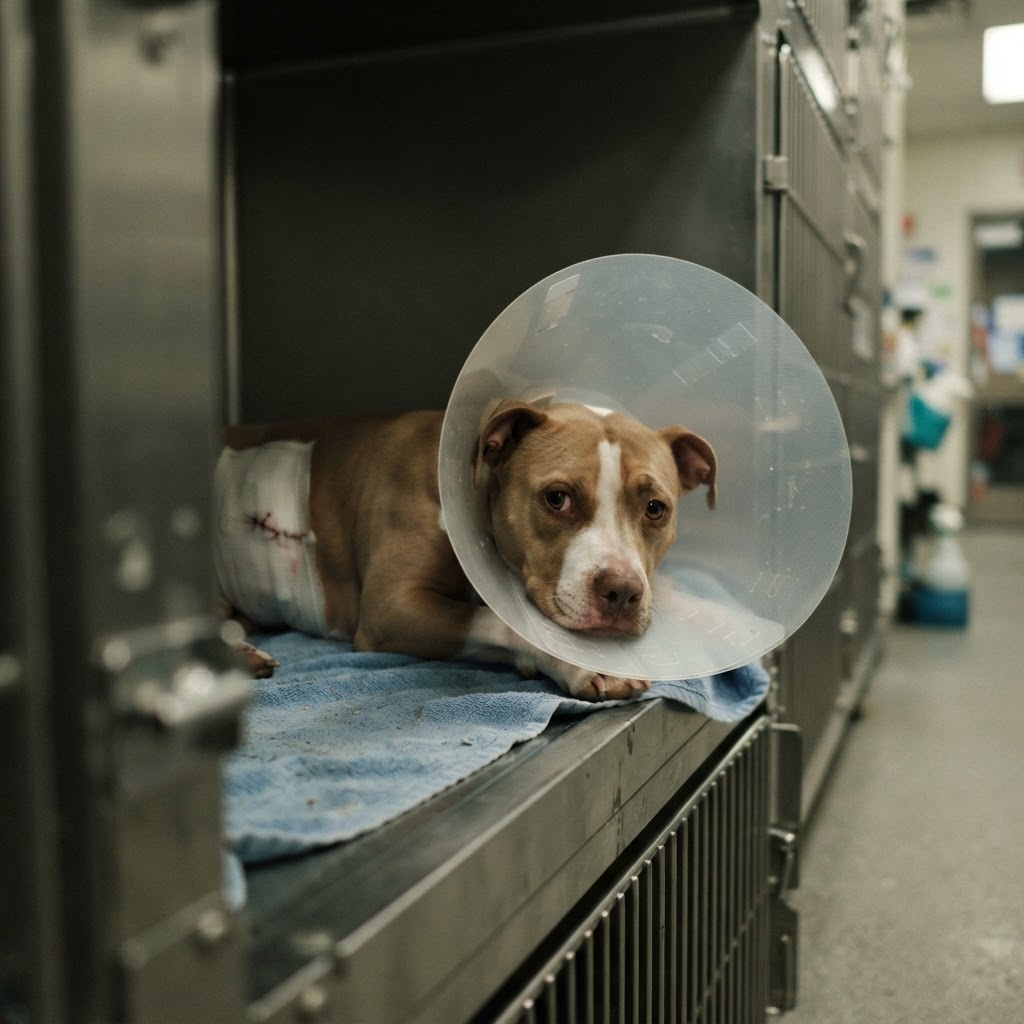 Before
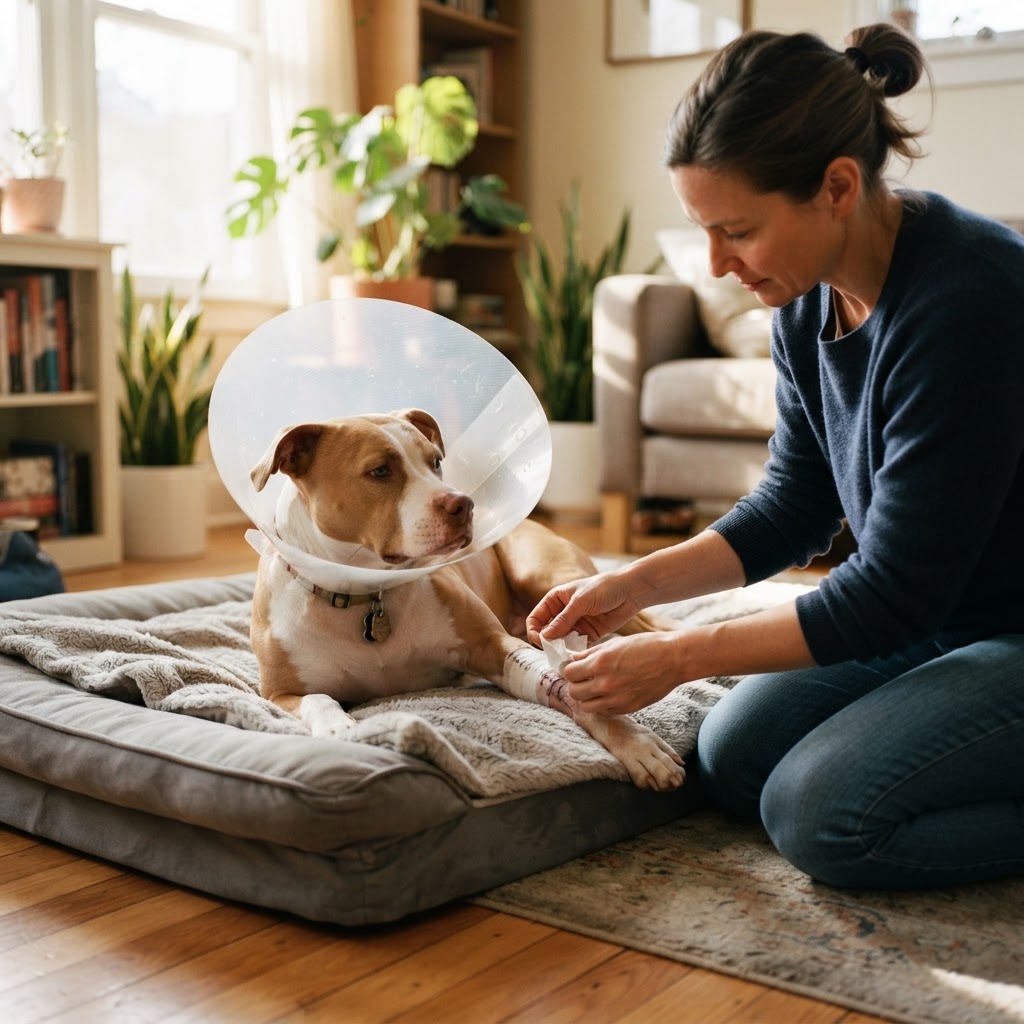 After
Quarantine Foster
Dogs in international transition need to be in quarantine to prevent the spread of disease. Requires a home with no other animals. A home inspection is needed. Preferably no other pets — if you do have pets, absolutely separate them and wash shared food bowls hot (or sanitize) before use. Estimated time: 4 weeks.
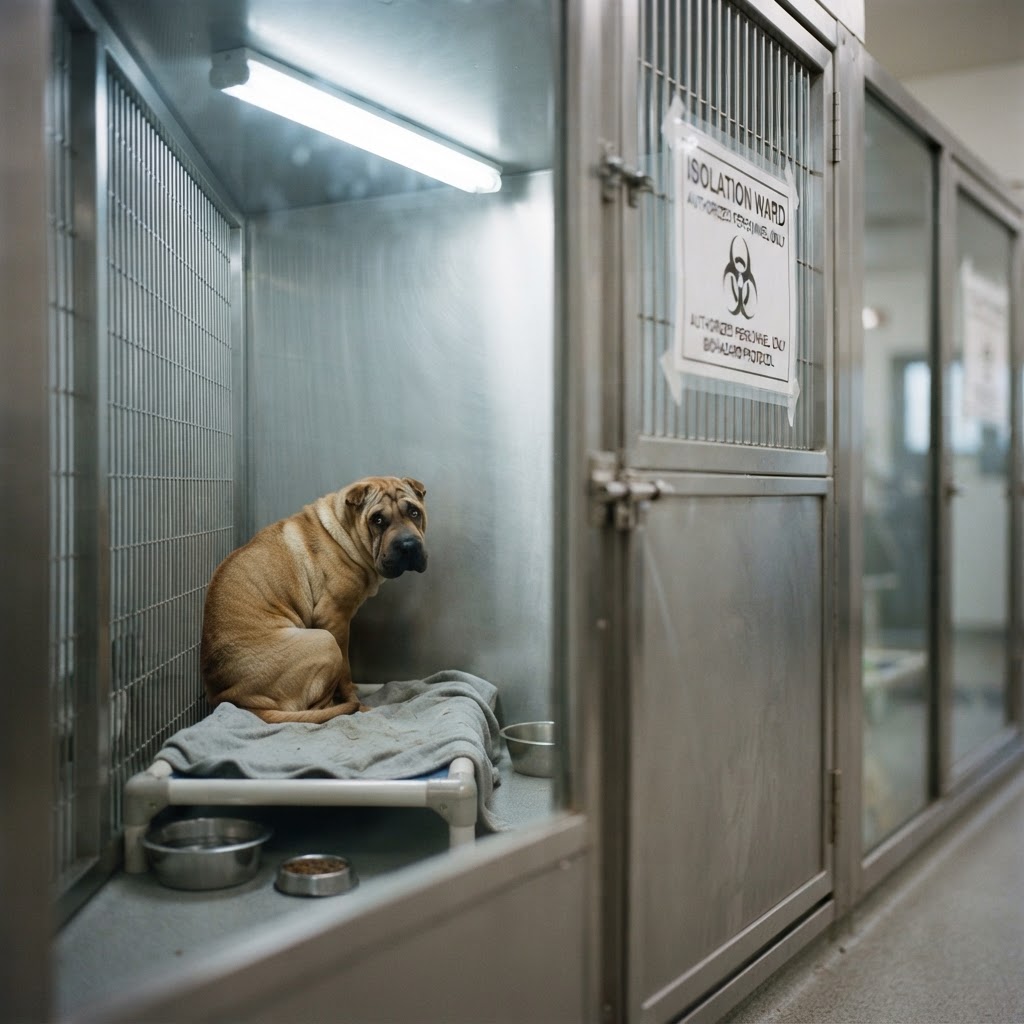 Before
 After
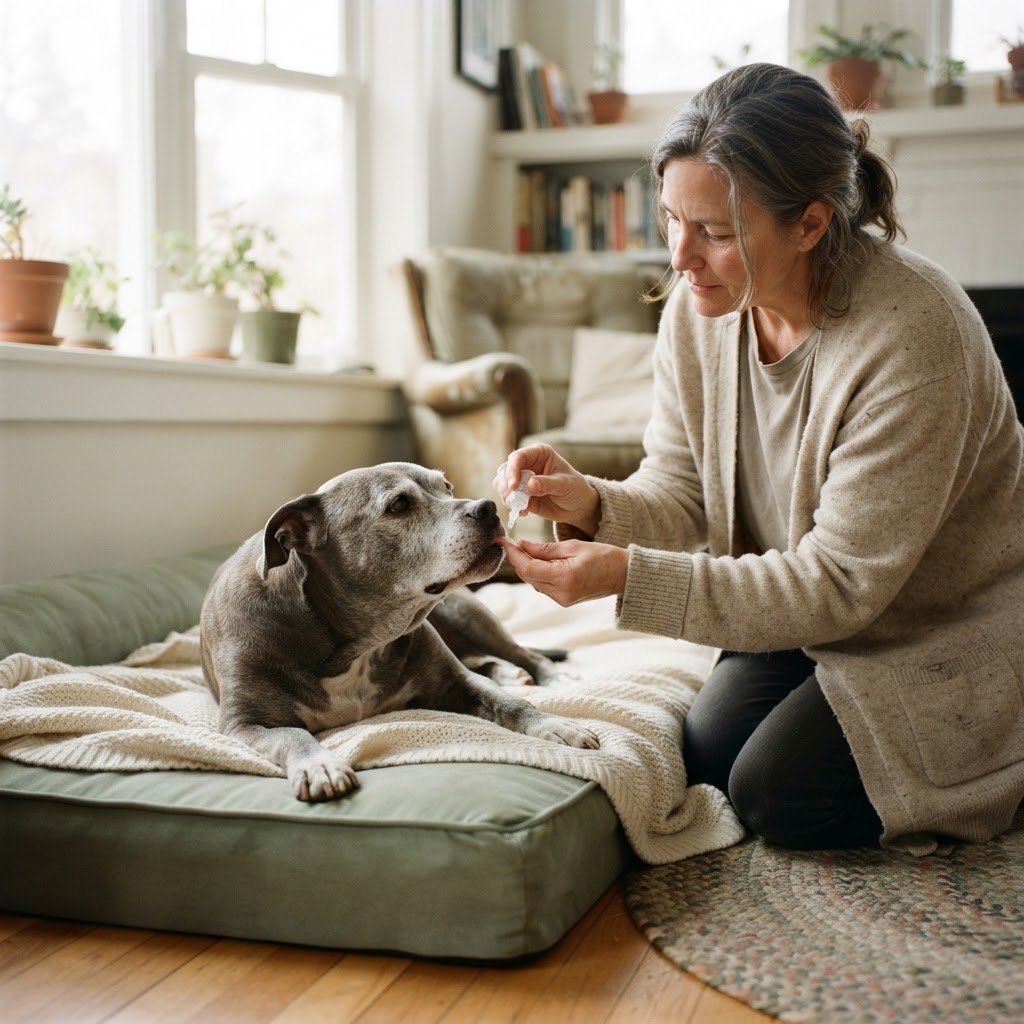
Medical Foster
Specialized foster homes that care for dogs recovering from illness, surgery, or trauma. These fosters give animals the quiet, attentive environment that kennels can't provide — often saving lives in the process.
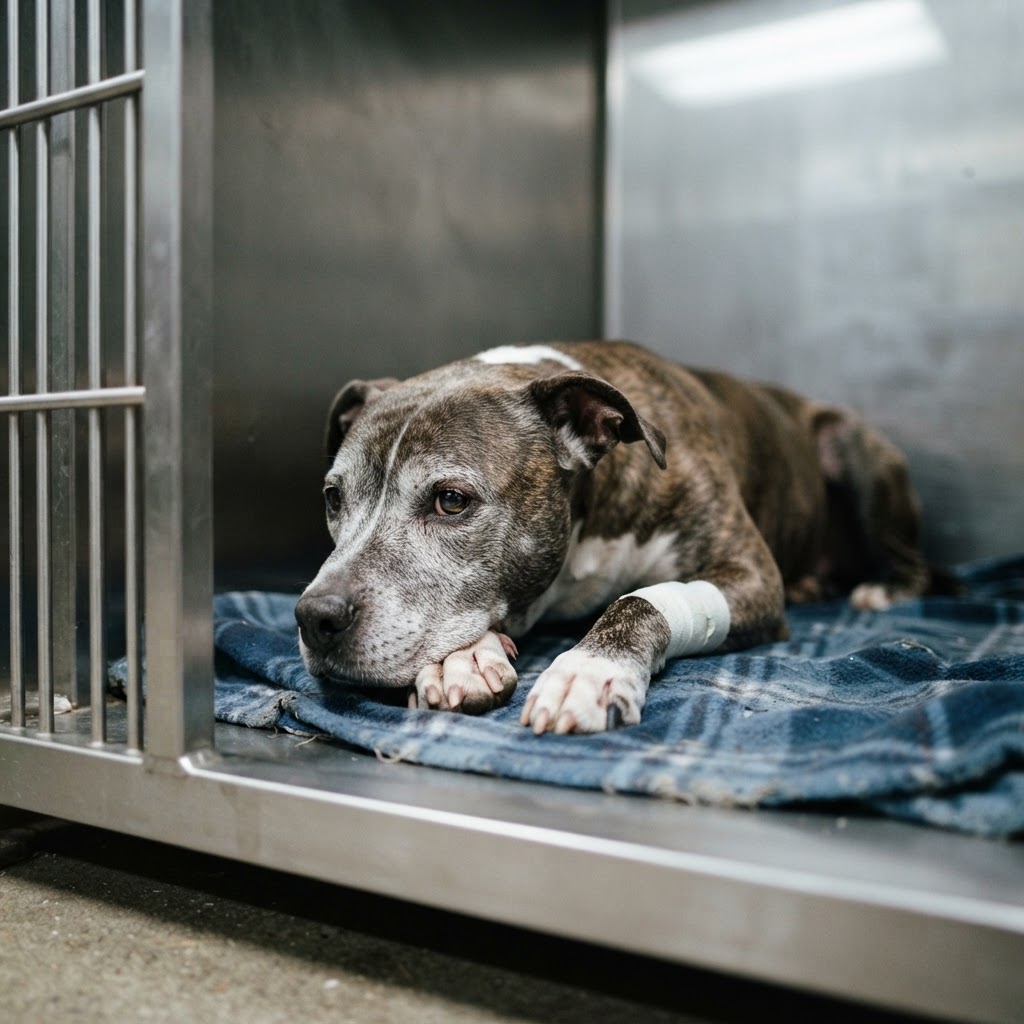 Before
 After
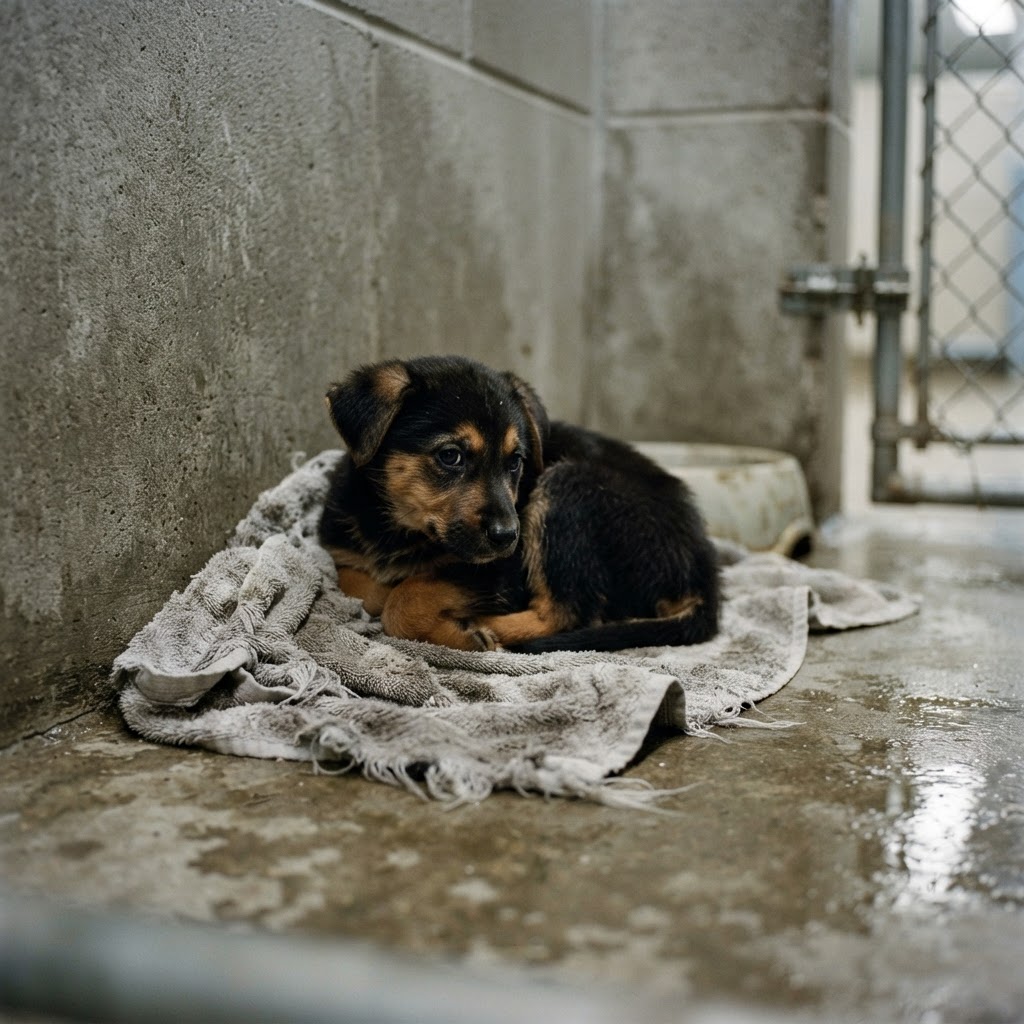
Puppy Fostering
Purpose: until puppies can be spayed or neutered and reach the age for adoption. Ideal for homes experienced with puppies and equipped with patience (and cleaning supplies!). Estimated time: 2–4 months.
 Before
 After
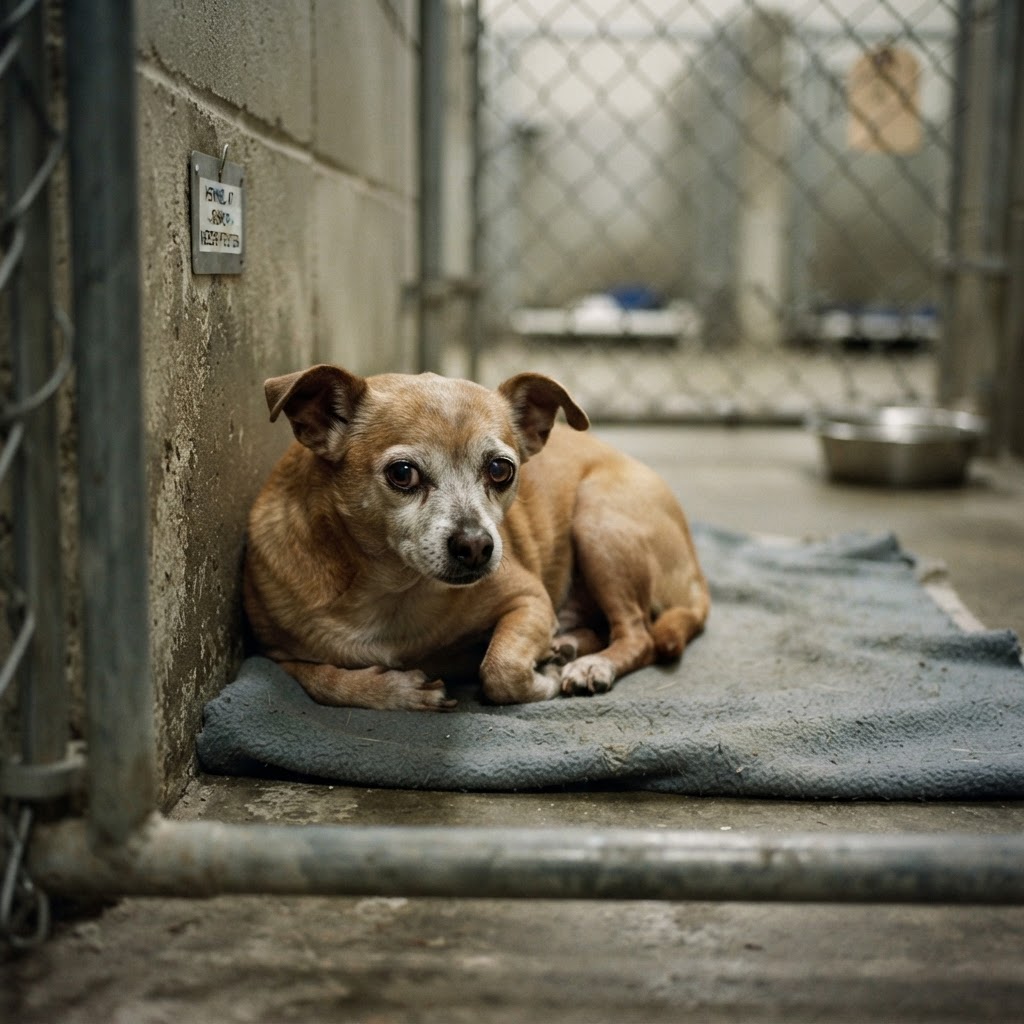
Senior Dog Foster Program
Senior dogs are among the hardest to place — yet often the most rewarding to foster. Programs that specifically recruit and support senior dog fosters reduce euthanasia of older animals and attract a segment of compassionate adopters who might never visit a shelter.
 Before
 After
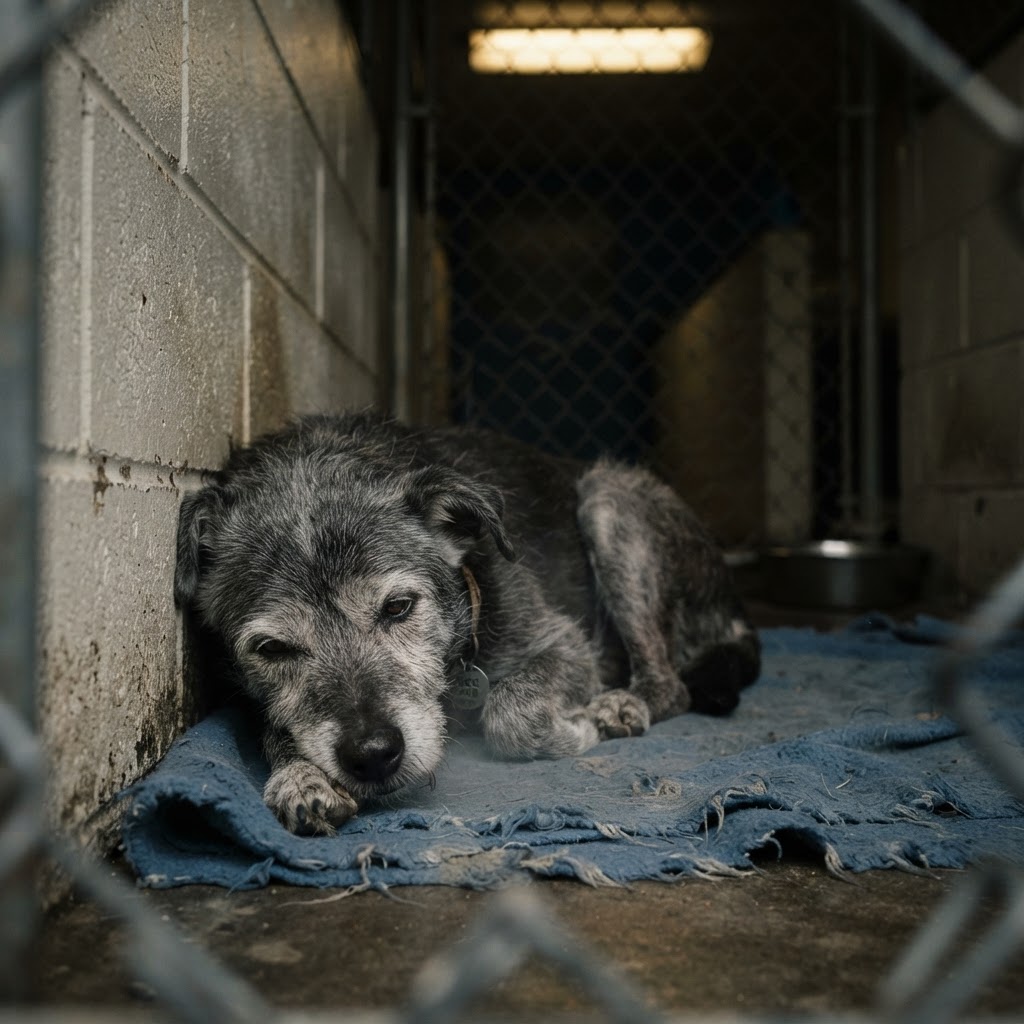
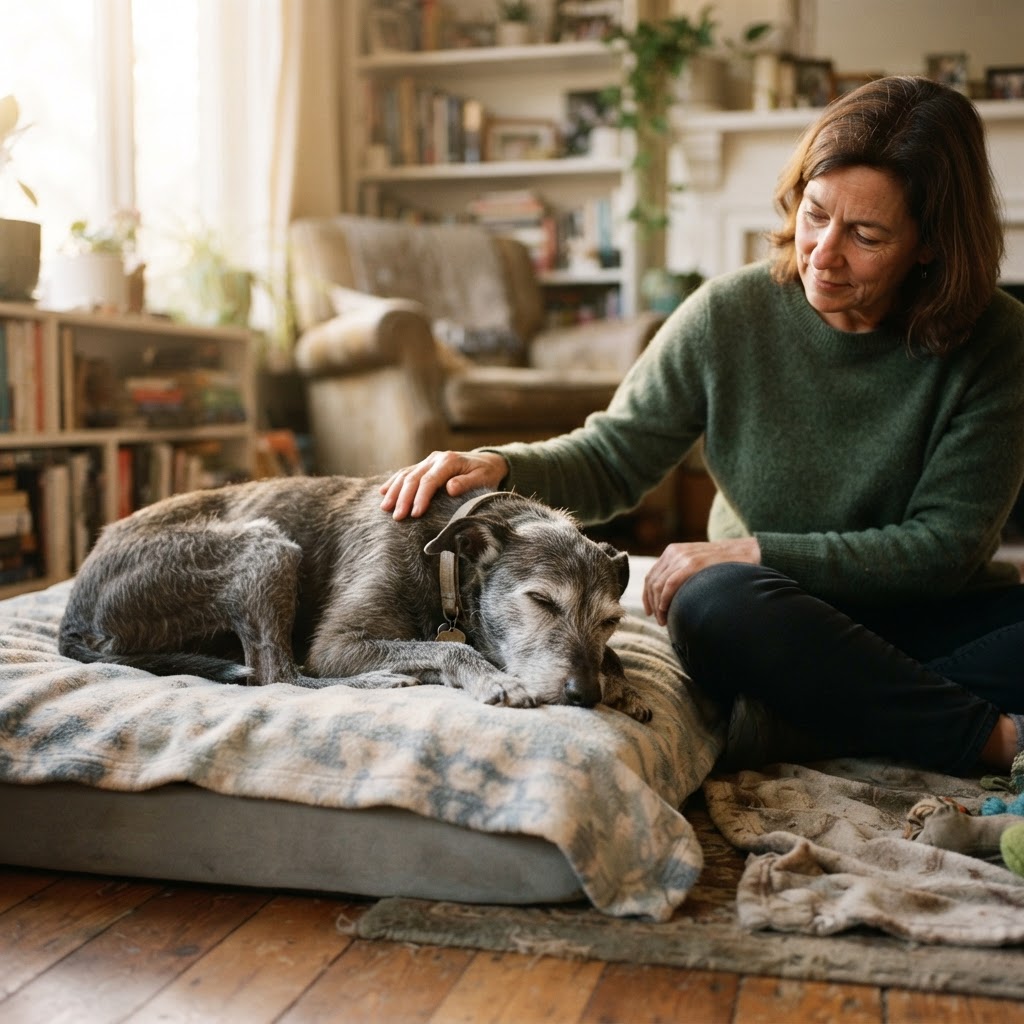
Hospice Foster
Provide a loving home for dogs with terminal diagnoses or those in their final stage of life. Hospice fosters ensure that every dog spends its remaining time surrounded by comfort, warmth, and companionship rather than in a kennel. It's one of the most compassionate acts in rescue.
 Before
 After
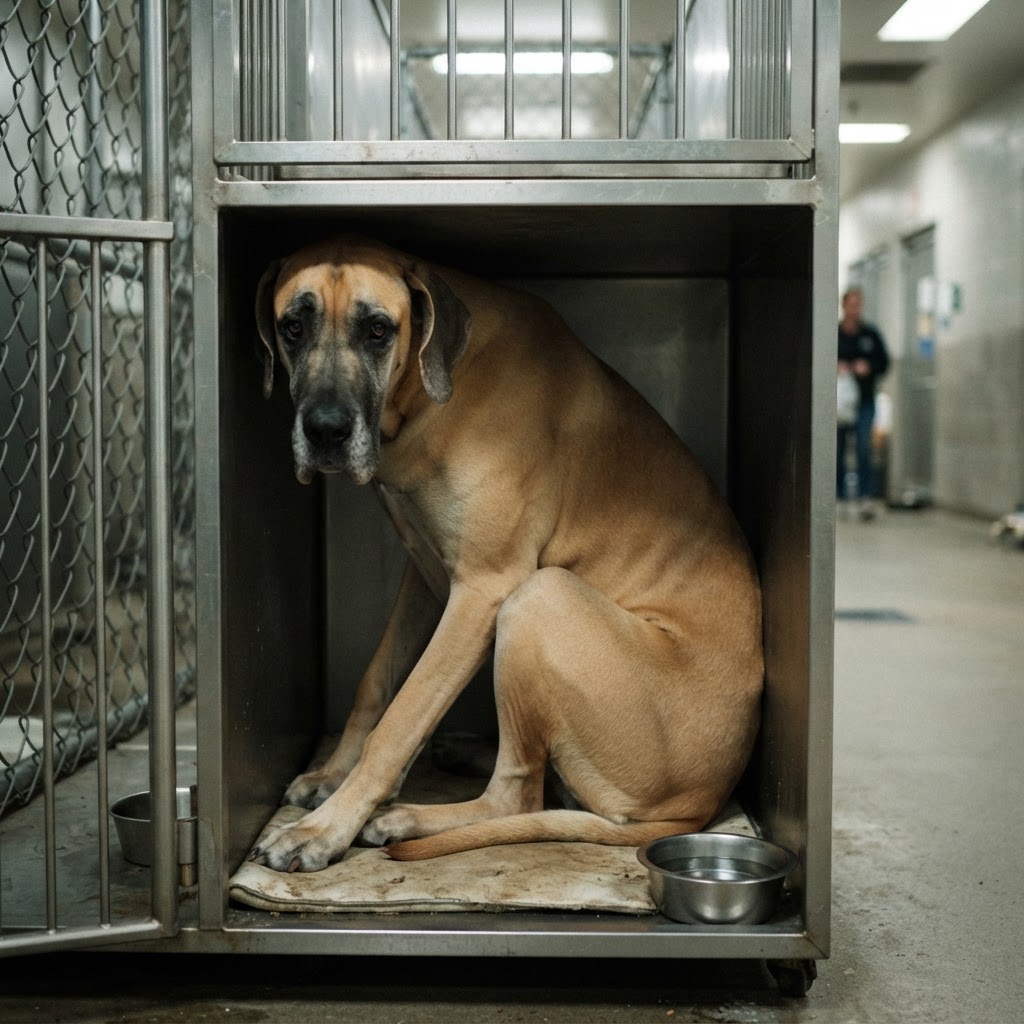
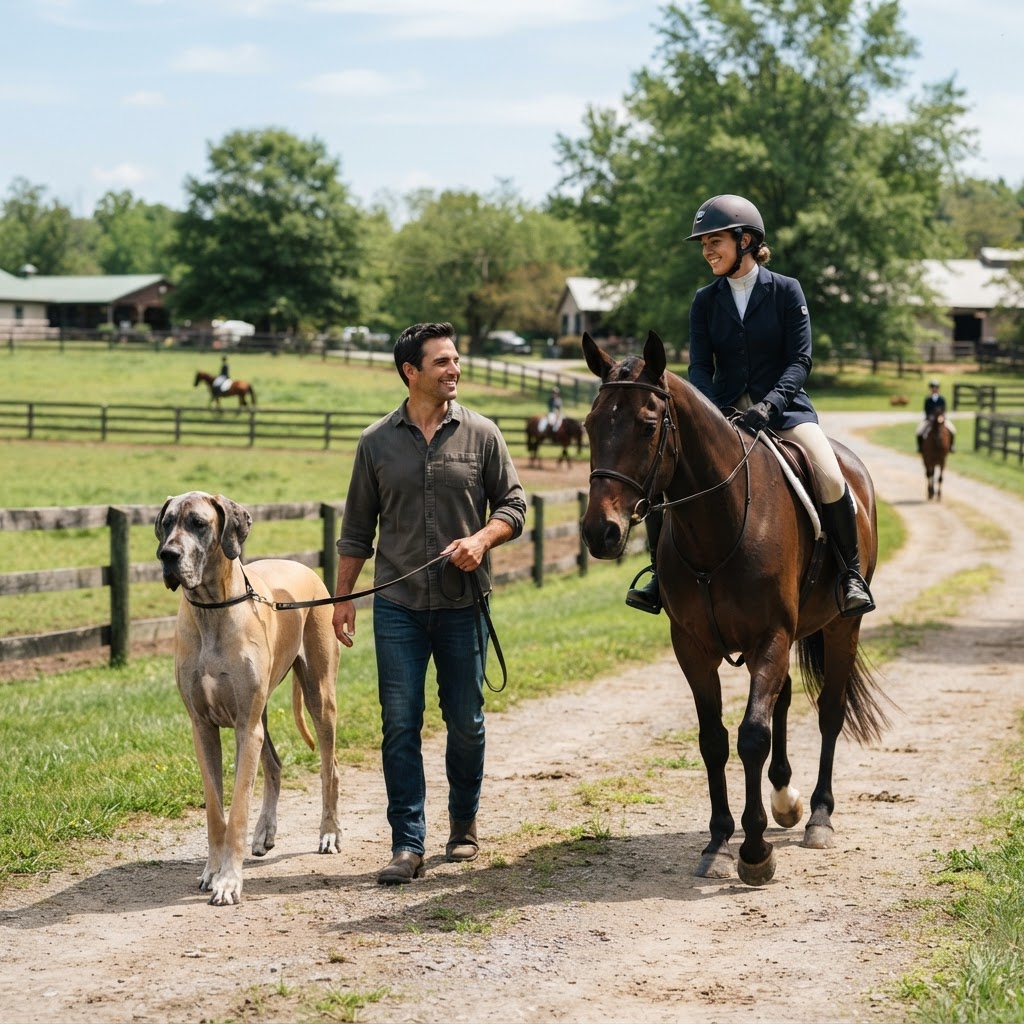
Breed-Specific Foster Networks
Partner with breed-specific rescue groups or recruit fosters experienced with certain breeds. Dogs placed with fosters who understand their breed's traits receive better care, more targeted marketing, and are more likely to be matched with the right adopter.
 Before
 After
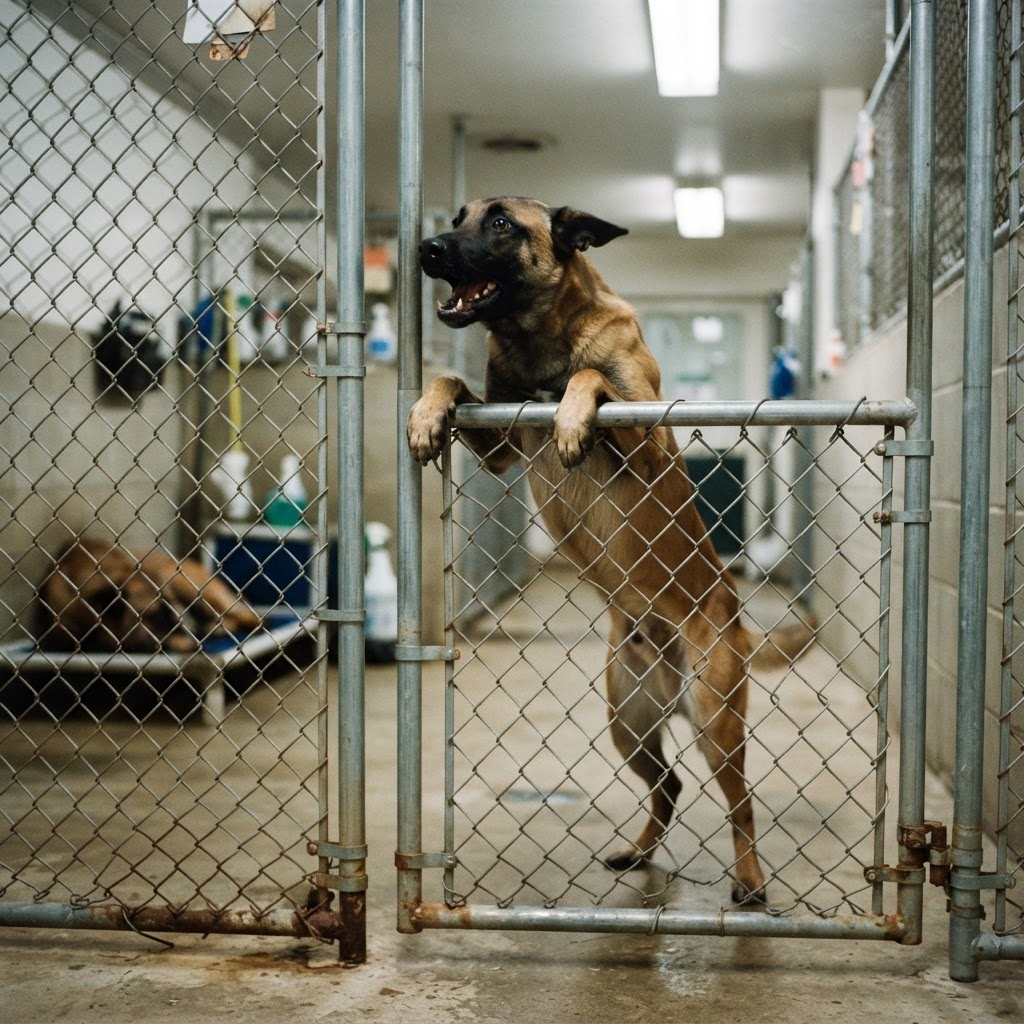
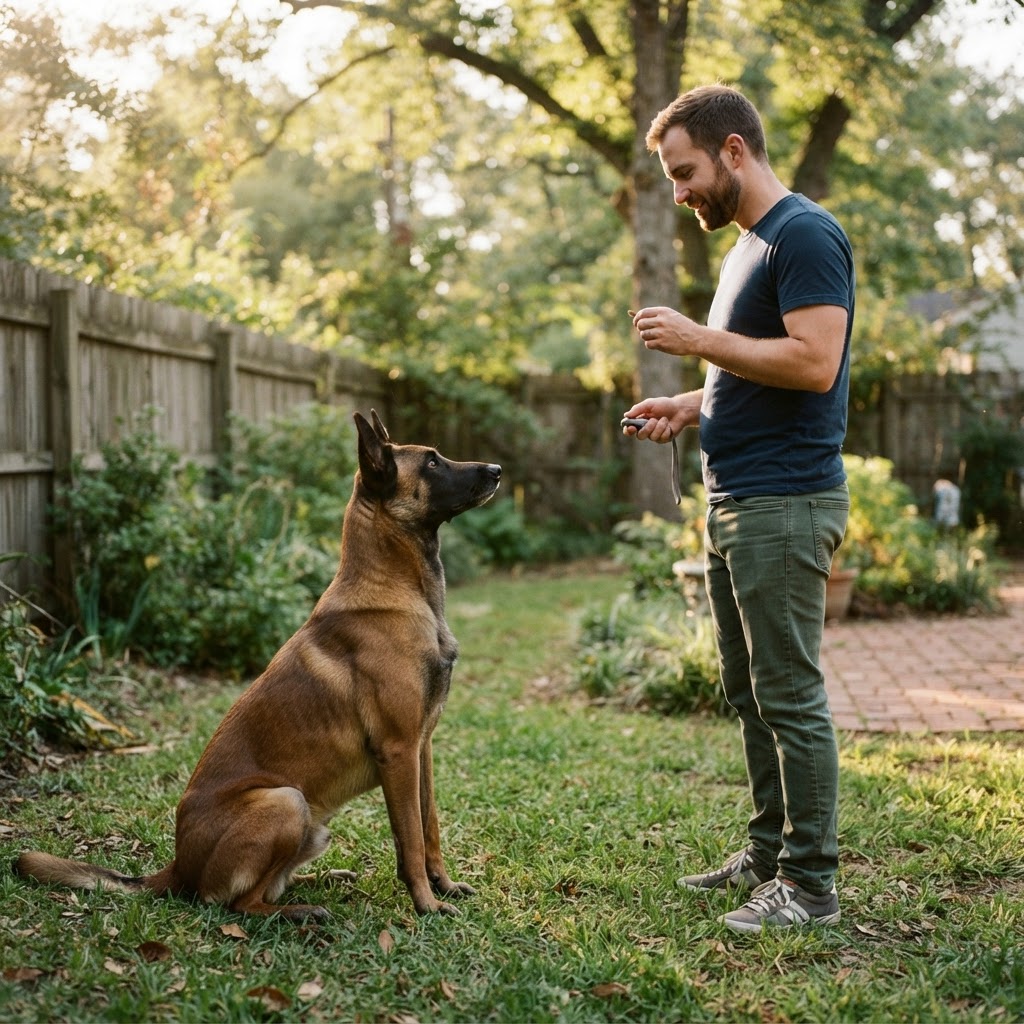
Training Fostering
Purpose: some dogs need a bit of training to become the best version of themselves for their forever home. Ideal for experienced dog trainers or people who want to become one (education provided). Estimated time: 2 weeks to 3 months depending on the dog.
 Before
 After
Curious which dogs are out there?
Browse international and country-specific shelters for your next dog.
Ready to show interest about a specific dog?
Submit your foster pre-application and we'll be in touch.
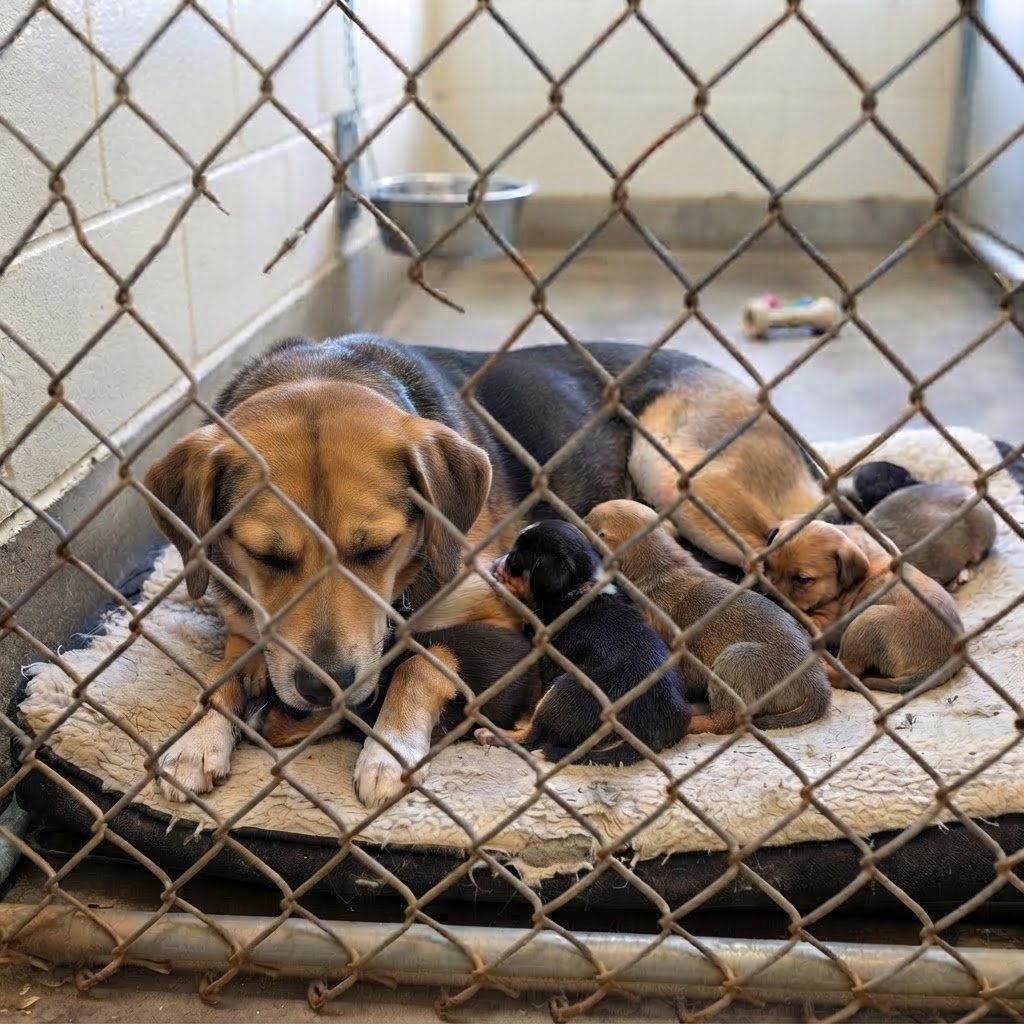
They deserve better!
You can make a difference like this!
 Before
 Waiting
 After
Bella
Bella was thrown out of her home when becoming pregnant. The owners did not spay her. It was not her fault.
For Shelters & Rescues
The Foster Program Starter Kit.
Everything your organization needs to launch or expand a foster program — all twelve program types, descriptions, and a step-by-step getting-started checklist. Download it as a ready-to-print PDF.
Register your shelter or rescue with us.
Join our community and connect with foster applicants in your area.
Share your thoughts
This toolkit completely transformed how our shelter promotes dogs. Adoptions are up 40%.
The foster program guide helped us launch in three weeks. We now have 12 active foster families.

