Every foster home
saves two lives
The dog that leaves the shelter, and the dog that takes its place. Foster homes are among the most powerful tools in animal welfare — yet fewer than 10% of shelter dogs ever see one. This page makes the case for why that number must change.
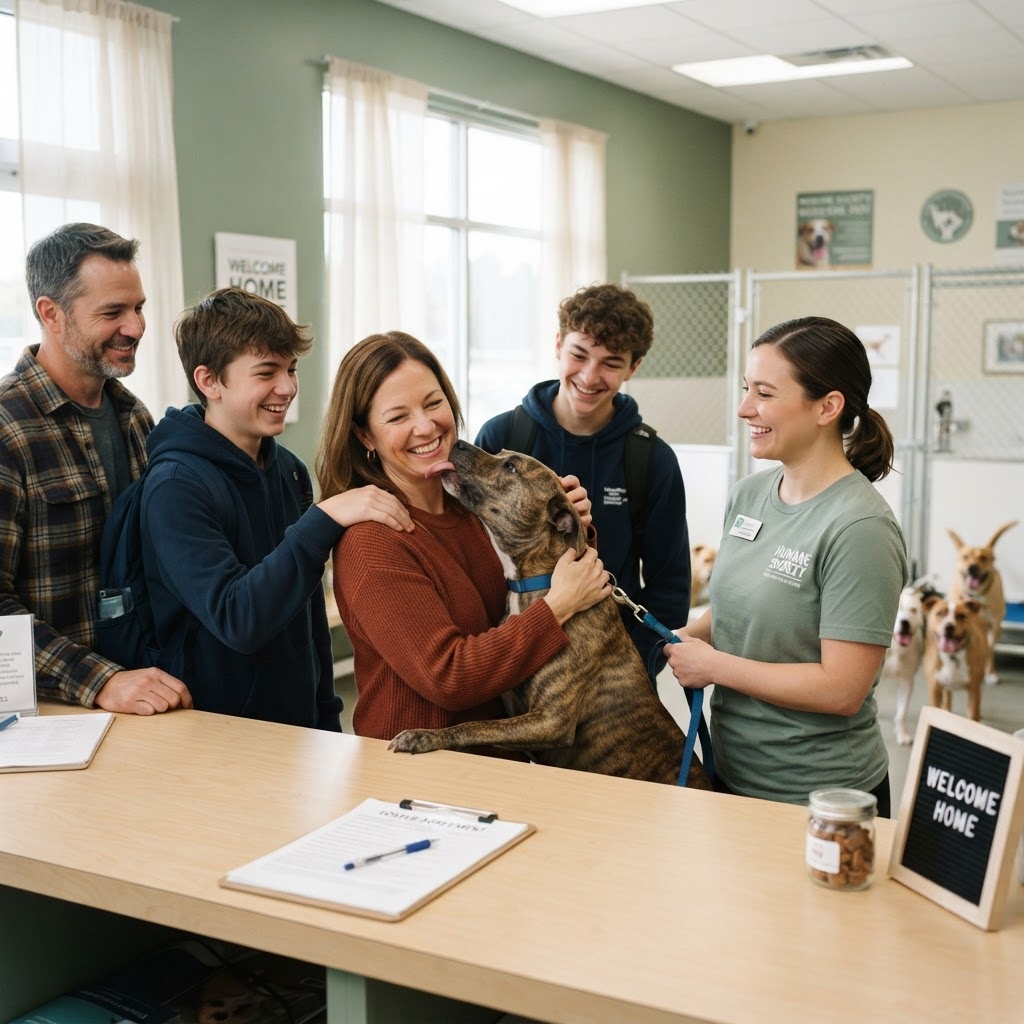
300M+
Stray dogs worldwide (WHO estimate)
4M
Dogs enter US shelters annually — 1 million never leave alive
<10%
Of shelter dogs waiting for adoption are placed in foster homes
$500–$2,500
Average cost savings per dog when placed in foster vs. shelter
A life-changing experience
for every dog.
For a dog rescued from the streets or an overwhelmed shelter, a foster home is often the first experience of safety, consistency, and individual attention. These eight outcomes show why foster care produces measurably better results than shelter-only placement.
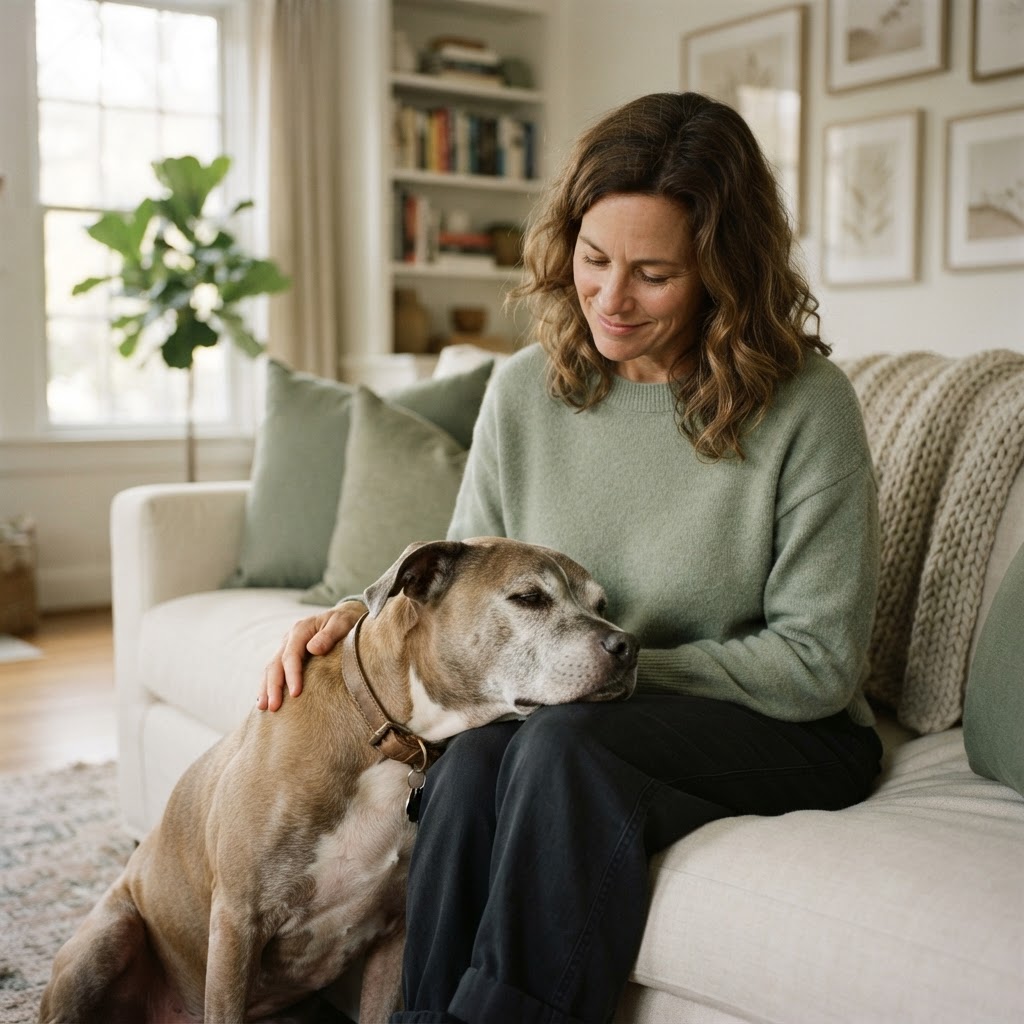
Safety & Security
After surrender or life on the streets, a foster home provides a calm, protected environment — the first step toward recovery and trust.
Human Closeness & Trust
Dogs with negative past experiences can relearn to trust humans in a foster setting. This is often the single most critical factor in a successful adoption.
Individualized Care
Every animal is different. Foster homes can tailor feeding, training, and affection to each dog's unique needs — something impossible at shelter scale.
Socialization & Daily Life
Household sounds, walks, social interactions, sometimes other animals — foster homes optimally prepare a dog for life in a forever home.
Stress Reduction
No kennel noise, no stress pheromones, no overcrowding. Dogs in foster care can relax and heal — physically and emotionally — leading to better health outcomes.
Better Assessment
Dogs reveal their true personality far more quickly outside a shelter environment, enabling more accurate behavioral assessment and far better adopter matching.
Better Public Image
Dogs photographed in loving homes attract far more interest than kennel photos. The 'foster effect' on adoption applications is well-documented across the rescue community.
Safety Net for Returns
If an adoption doesn't work out, the dog returns to a familiar foster home — not the shelter. This avoids regression, emotional stress, and the cycle of re-sheltering.
They deserve better!
You can make a difference like this!
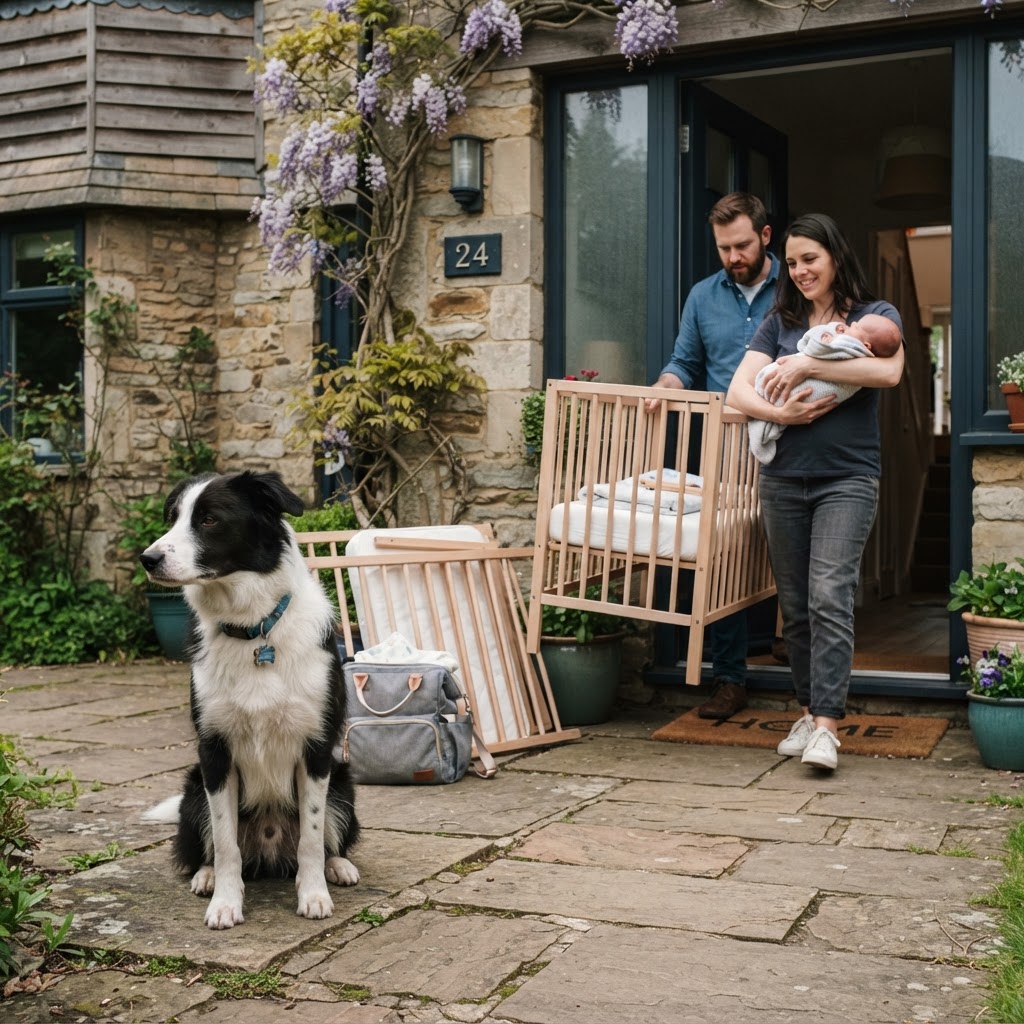 Before
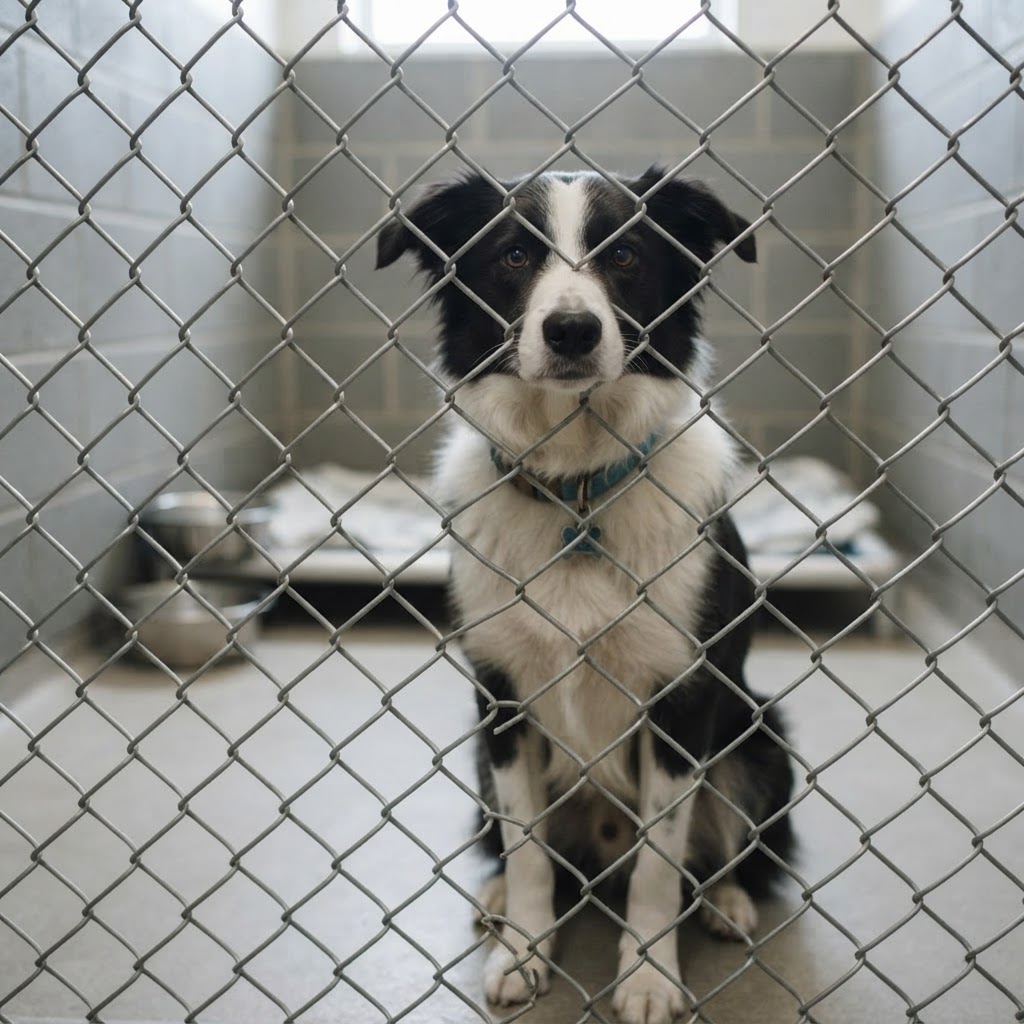 Waiting
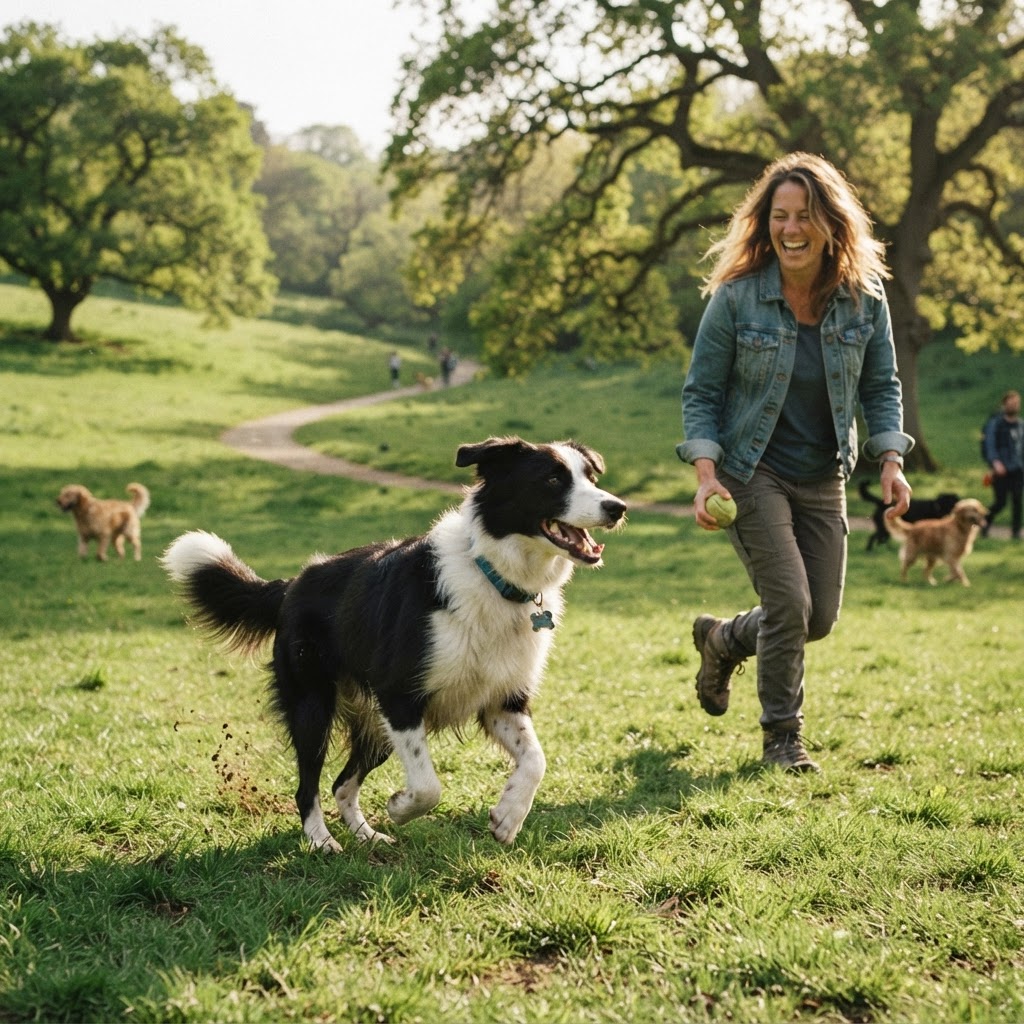 After
Duke
Baby on the way, family gave up the dog
Why people foster — and why they stay.
Understanding these motivations helps you recruit, retain, and support foster families more effectively. Address these needs in your outreach, and you'll build a loyal, long-term foster network.
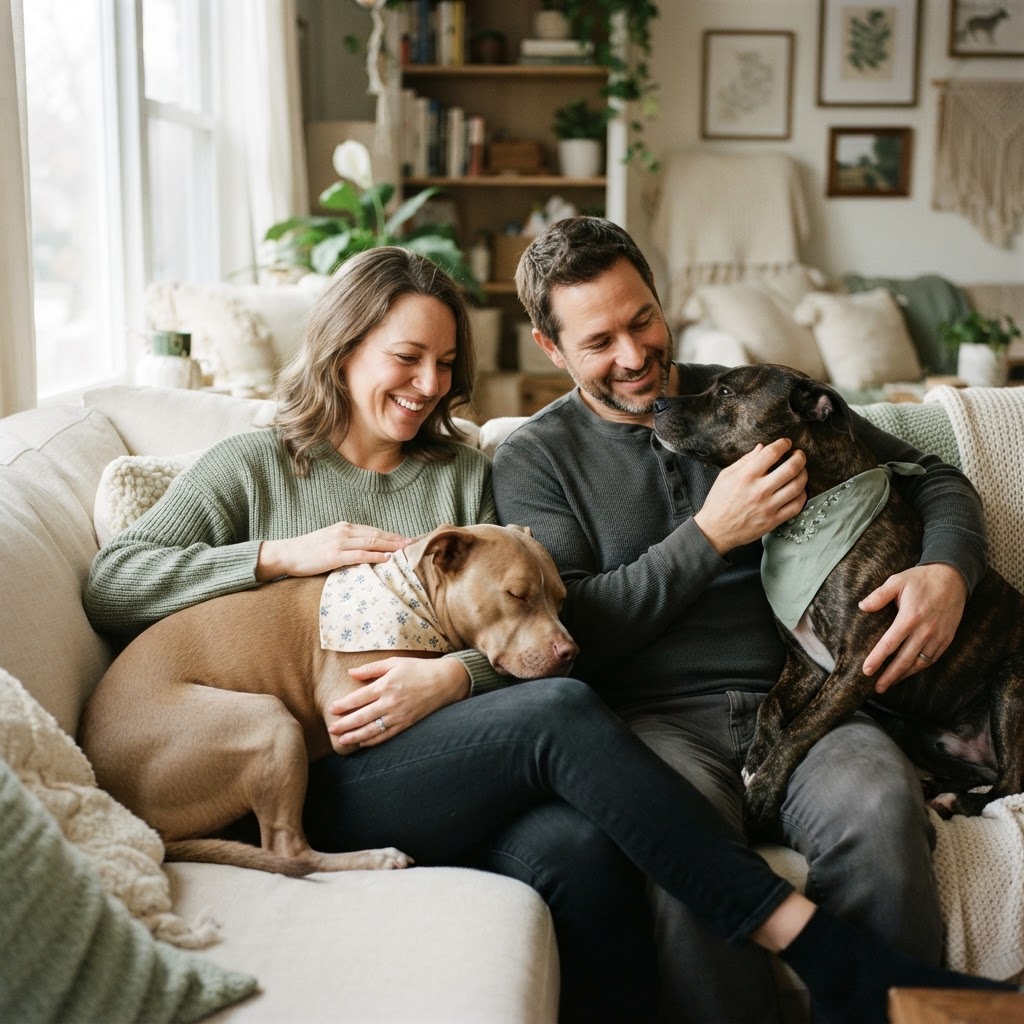
Meaningful Purpose
A foster dog brings structure to daily life. Regular care creates consistent routines and gives foster parents a profound sense of purpose and contribution.
Social Connection
Dogs open doors. Walks spark conversations. Fostering connects people with your organization and a network of like-minded animal advocates in the community.
Emotional Enrichment
Witnessing a fearful animal transform into a confident companion is deeply moving. For singles and seniors especially, a foster dog provides genuine companionship.
No Lifelong Commitment
Fostering is temporary. This makes it accessible to people who love dogs but can't commit permanently due to lifestyle, housing, or future uncertainty.
Minimal Financial Burden
When your organization covers equipment, food, and vet costs, fostering becomes accessible to a much wider demographic — including those who couldn't otherwise afford a dog.
Breeds & Lifestyle Matching
Fostering lets people experience different breeds and personalities before committing to adoption. Many fosters eventually adopt — after making an informed choice.
Active Animal Welfare
Every dog in a foster home means one less in your shelter. Every freed kennel means capacity for another rescue from the streets or a high-kill facility.
Who to Recruit
These profiles represent your highest-potential foster candidates. Tailor your outreach messaging to speak directly to each group's motivations.
Active Seniors
Time-rich, routine-oriented, and often seeking companionship — seniors make exceptional fosters, especially for calm or senior dogs.
Singles
Looking for purpose and connection. A foster dog provides daily structure, social opportunities, and unconditional companionship.
Families with Children
Children learn responsibility and empathy. Shared pet care strengthens family bonds. Dogs benefit from the energy and attention of a full household.
Remote Workers
Home-based professionals can provide the constant companionship many dogs need during their adjustment period — with neither person nor dog spending the day alone.
Active Outdoor Enthusiasts
Runners, hikers, and nature lovers are ideal for high-energy dogs who need more exercise than a shelter can provide.
Experienced Dog Owners
People who've owned dogs before bring valuable skills to challenging cases — undersocialized dogs, behavioral issues, or dogs recovering from trauma.
Enriching lives — on both ends of the leash.
Taking in a foster dog offers numerous benefits, not only for the animal but also for the person fostering it. Providing a dog with a temporary home is a responsible yet enriching experience — both emotionally and socially.

Meaningful Task and Responsibility
A foster dog brings structure to everyday life. Regular care — feeding, walking, grooming — creates a consistent daily routine. This can help structure one's day and gives many people a sense of purpose and responsibility.
Social Contacts and Exchange
Foster dogs open doors. Walks often lead to conversations with other dog owners. Furthermore, fostering provides active interactions with animal welfare organizations and other foster homes. This creates a network of like-minded individuals that fosters community and exchange.
Emotional Enrichment and Companionship
A foster dog provides closeness, affection, and trust. It is particularly touching to witness the dog's positive development — from an often fearful, insecure animal to a trusting companion. Gaining this trust is a deeply moving experience for many. Especially for single people or seniors, a foster dog can be a valuable companion. It provides companionship, alleviates loneliness, and brings life into the home. Daily interaction with the animal fosters emotional closeness and the feeling of not being alone.
No Lifelong Commitment
Unlike permanent dog ownership, fostering is temporary. This is ideal for people who, due to professional or personal reasons, cannot keep a dog long-term but still have time and love to give. At the same time, you contribute to giving the dog the chance to find its forever home.
Best Things in Life Are Free
The responsible pet caretaker might be aware that caring for a pet the next 10–15 years is not within the budget. But there's so much love and a lot of time to give. Fostering combines the best of both worlds. Most shelters and rescues will provide the necessary equipment, feed, and veterinary costs.
Trial Runs
Fostering can be a great help for you to decide your favorite animals and breeds that fit your lifestyle.
Active Animal Welfare from Home
Foster parents make a direct contribution to animal welfare. Every foster dog means one less animal in a shelter or in poor conditions. When a space becomes available in a shelter, another dog can be rescued from poor conditions, the streets, or a kill shelter.
Companion of a Life Phase
A dog is often a loyal and unforgettable companion during a phase of a person's life.
For Seniors
- •Companionship and emotional closeness: A foster dog brings daily joy and can reduce loneliness.
- •Exercise and activity: Regular walks promote health and provide a natural incentive to stay active.
- •Flexible commitment: Foster dogs are ideal for seniors who do not want a permanent commitment.
For Singles
- •Social connections: Dogs often open doors to conversations and new acquaintances, for example, during walks.
- •Structure of life: A foster dog provides a regular daily routine and gives everyday life more meaning.
- •Emotional support: Animals offer unconditional affection and promote psychological well-being.
For Families with Kids
- •Promoting responsibility: By caring for a dog, children learn to take responsibility for a living being.
- •Shared experiences: A foster dog enriches family life through shared activities and strengthens family bonds.
- •Social skills: Interacting with animals fosters empathy and consideration in children.
For Working Professionals
- •More and more employers are allowing dogs in the workplace, which often provides a welcome break from the daily grind for everyone.
- •Those working from home or self-employed in certain professions can spend a lot of time with their dog, and neither has to be left alone.
A strategic asset, and cost saver for shelters and rescues.
Foster programs deliver measurable returns across every dimension of shelter operations — capacity, costs, health outcomes, and adoption quality. By reducing per-animal housing and staffing expenses, foster networks also lower the financial burden on municipal and taxpayer-funded shelter systems.
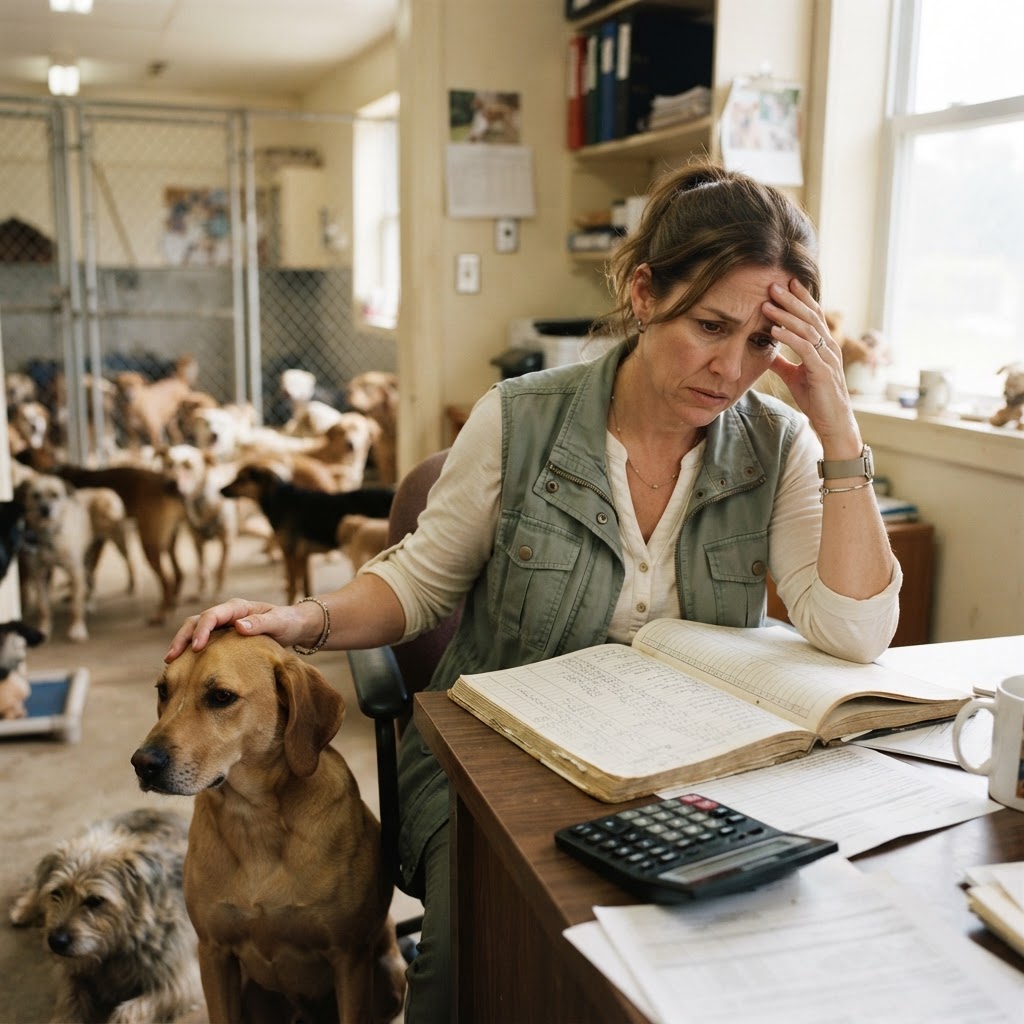
Relief from Overcrowding
Many shelters permanently operate at capacity. Without foster homes, accepting new animals from seizures, emergencies, or international rescues is often impossible. Every foster placement creates capacity for another intake.
Individual Support for Vulnerable Dogs
Puppies, seniors, anxious dogs, and medically fragile animals all have poor development and survival prospects in a shelter. Foster homes provide the targeted, one-on-one care that leads to lasting adoption success.
Savings on Housing & Infrastructure
No additional kennel space required. No heating, electricity, or water costs for that animal. No building expansion needed — foster homes eliminate significant fixed shelter costs at zero capital expense to your organization.
Lower Personnel Costs
Fewer caretaker hours needed for feeding, cleaning, training, socialization, play, and medical care — all handled by dedicated foster families. This frees your staff to focus on operations, outreach, and high-priority cases.
Reduced Healthcare Costs
Crowded shelters are breeding grounds for kennel cough and other contagious illnesses. Decentralized foster care dramatically reduces outbreak risk. Earlier health detection also lowers follow-up treatment costs.
Advertising Multiplier Effect
A dog behind bars receives minimal visibility. A dog in a foster home is shared through social media, local networks, and personal connections. Foster parents become organic ambassadors, dramatically expanding your reach.
Competitive Advantage!
Foster care structures can offer competitive advantages — e.g., through more personal advice, more appealing pictures and videos, flexible visiting hours, a less formal introduction, and faster decision-making processes.
Strengthening the animal welfare system.
Beyond individual dogs and shelters, foster networks are reshaping animal welfare as a whole — from market dynamics to public perception to long-term sector resilience.
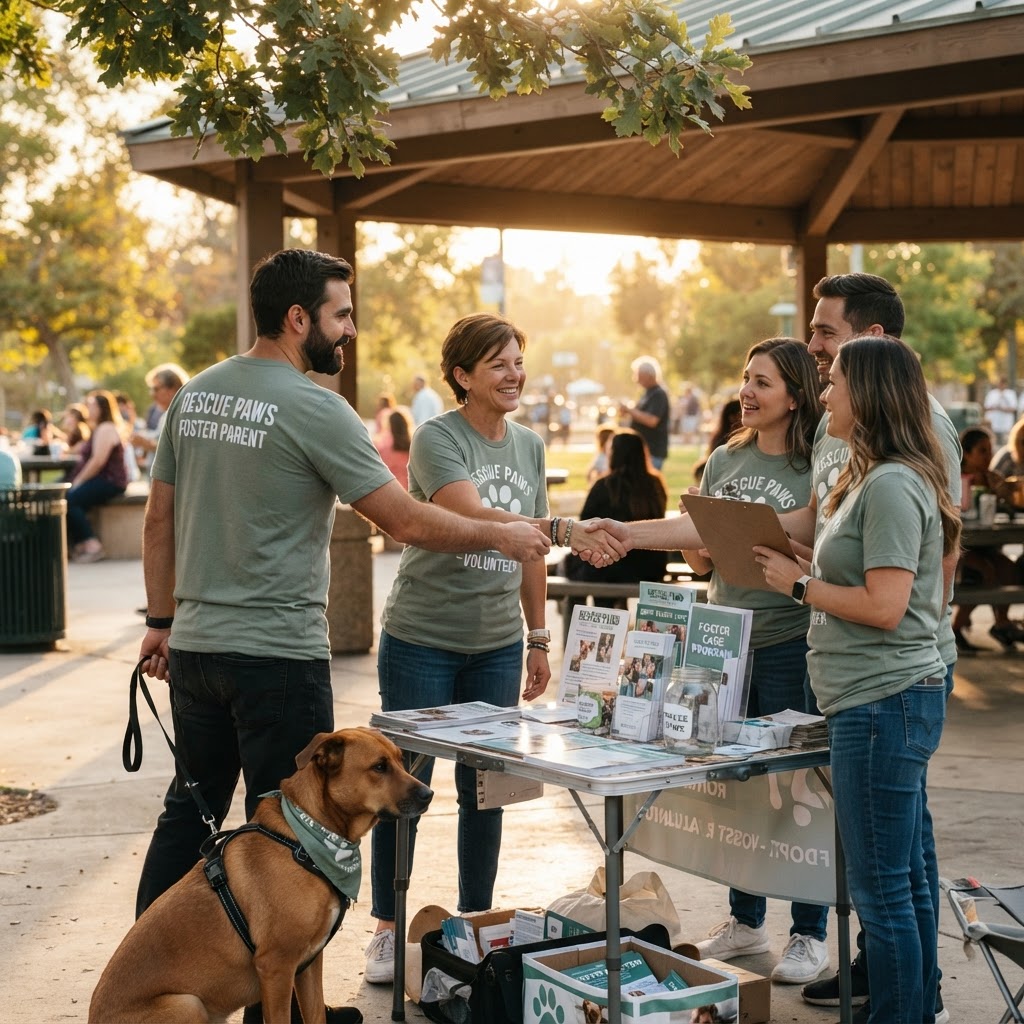
Gaining Market Shares
In many cases, foster homes help to open up new target groups for shelter dogs: people who would not originally adopt an animal from the shelter, but become aware of foster dogs through social media or personal contacts, gain an alternative emotional access to shelter animals. The more rescue dogs are living in homes and are visible in the community, the more it helps showcase adoption as a positive choice, reducing the demand for dogs bred for profit from (backyard) breeders.
Social Impact and Image Change
Foster homes are contributing to a change in the image of animal welfare. For a long time, animal welfare was seen as a place for 'crazy aunts with ten cats' or 'aggressive dogs behind bars.' Foster homes convey a different image: modern, dedicated volunteer work, responsible temporary care, and the integration of animals into families. This is changing public perception and making animal welfare more attractive—including to young people, families, and working professionals. Animal welfare is thus increasingly perceived as a dynamic, diverse, and modern movement. This leads to more volunteer engagement, greater willingness to donate, and increased political support—factors that are vital for the sector's long-term survival.
Promoting Competition and Quality Pressure
An often overlooked but crucial aspect is the competition fostered by foster homes in animal welfare. This competition is by no means negative; rather, it can be seen as an incentive for qualitative improvements. When animal lovers have a choice between different organizations (e.g., animal shelters or foster-based associations), a certain competitive pressure arises—for example, regarding transparency, care, aftercare, or adoption processes. Animal welfare organizations that rely on foster homes are often more flexible and customer-oriented. This also forces traditional animal shelters to rethink their processes and, for example, offer better advice, faster feedback, or more modern public relations. In the long run, the animals benefit from this—because the competition leads to better service for adopters and thus to higher adoption rates.
Market Saturation
Another argument is the increasingly competitive approach to gaining market shares in a saturated market. A saturated market offers only cut-off competition. Therefore, the product or service must become ever more attractive in order to outcompete rivals.
Participation
At the same time, fostering also opens up new lifestyles: for example, people who cannot (yet) commit to a dog permanently but would like to help temporarily. This form of participation broadens the spectrum of active animal welfare advocates and lowers the barriers to entry. This strengthens the entire sector – both in terms of supporters and future adopters.
Fostering provides economic added value for the area.
Beyond the moral imperative, foster programs generate measurable economic returns for municipalities, local businesses, and the broader community.
Lowers Taxpayer Overhead
Shelters require physical utilities, maintenance, and staffing. Moving dogs into foster homes shifts these operational overhead costs away from the taxpayer.
Increased Shelter Capacity
By freeing up physical cages, shelters can take in more animals and boost overall adoption rates, which directly lowers the costs associated with prolonged sheltering and euthanasia.
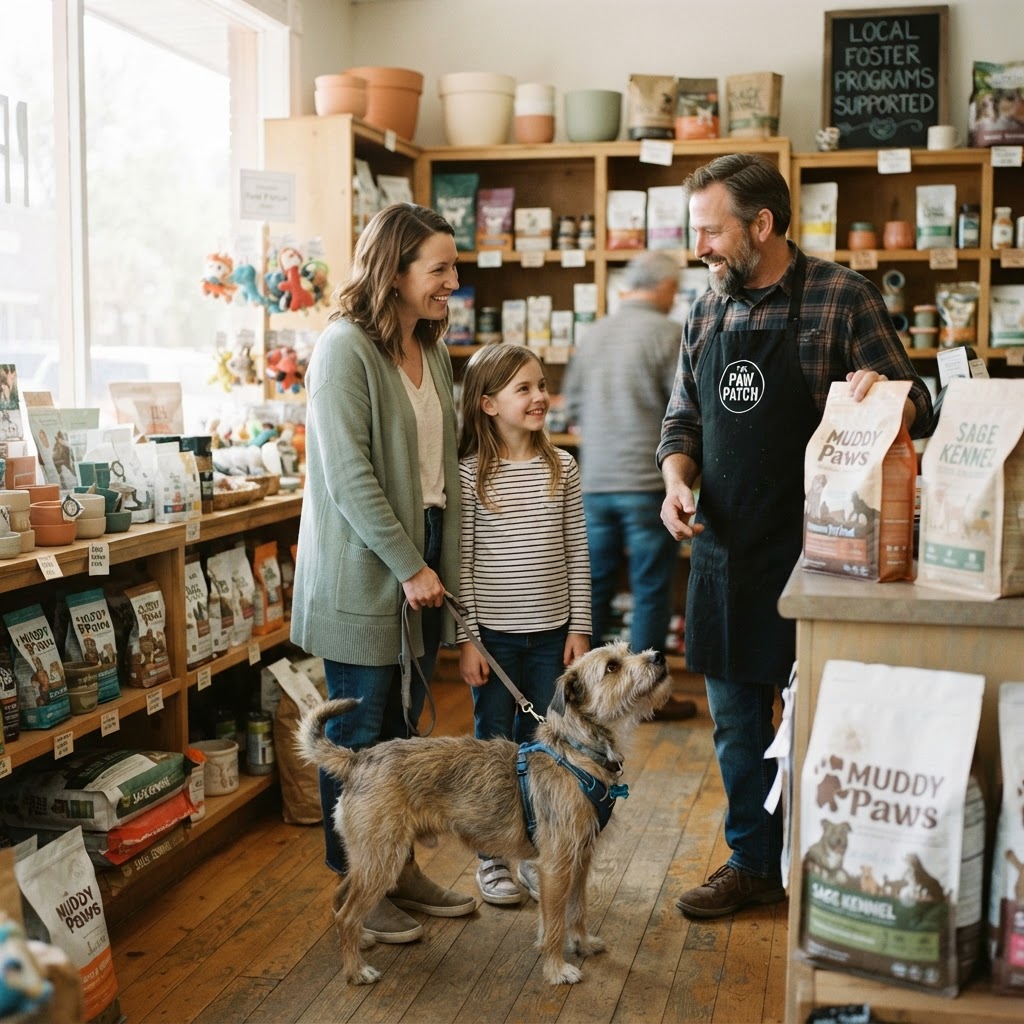
Local Retail Sales
Even though shelters and rescues offer to cover all costs, foster caregivers tend to spend their own money on pet-related goods and services too — supporting local businesses in the process.
Choosing fostering over space-based euthanasia transforms a potential municipal loss into an economic asset.
Prevents Economic Waste
Euthanizing an animal requires expensive pharmaceuticals, specialized disposal equipment, and staff time, resulting in a net financial loss. Fostering transforms a liabilities-producing animal into a valuable community asset.
Increases Lifetime Adoption Revenue
Successful adoptions create lifelong pet owners who will contribute to the pet economy for over a decade — food, veterinary care, grooming, training, and supplies.
The wider impact of foster networks.
Foster programs don't just benefit individual animals and organizations — they strengthen communities, improve economic efficiency, and shift cultural attitudes toward animal welfare.
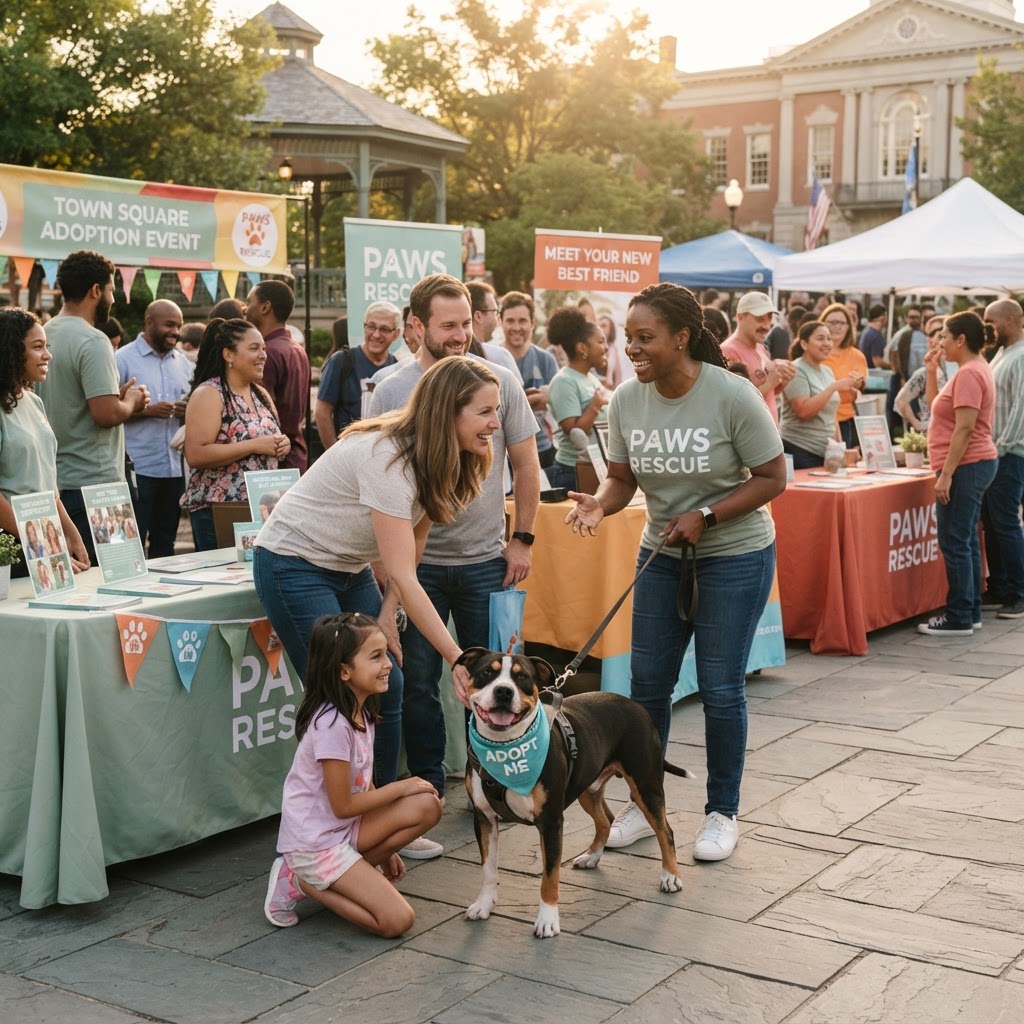
Societal Impact
Foster programs promote a culture of empathy, responsibility, and civic engagement. They show that animal welfare is a shared community responsibility — not just the job of overburdened shelters.
Economic Efficiency
The average savings of $500–$2,500 per dog placed in foster care — factoring in kennel costs, staffing, and medical expense reduction — make foster networks one of the highest-ROI investments a shelter can make.
Increased Volume & Throughput
Every foster placement frees capacity for a new intake. A well-run foster program can double or triple a shelter's effective capacity without a single brick being laid or new hire being made.
Higher Quality Adoptions
Foster-informed behavioral profiles enable better adopter matching. This means fewer returns, more stable long-term placements, and stronger relationships between your organization and the community.
Conclusion
Foster homes for shelter dogs do far more than just provide temporary care for a single animal. They are essential to modern animal welfare: they relieve the burden on shelters, improve adoption rates, broaden target groups, increase quality, and promote competition. They also act as ambassadors for an empathetic and responsible approach to animals at a societal level.
At a time when animal shelters are often operating at their limits and the need for sustainable solutions is growing, foster homes are a valuable tool — not as competition for shelters, but as a complementary partner. Their potential should be better utilized, promoted, and systematically integrated to ensure the future viability of animal welfare as a whole.
Relief for shelters
Reduced occupancy, lower fixed costs, lower infection risk
Better adoption outcomes
Individualized care, fewer returns, faster suitable placements
Economic advantages
Average savings of $500–$2,500 per dog for shelters
Social & strategic value
Community engagement, visibility multiplier, cultural shift
Share your thoughts
This toolkit completely transformed how our shelter promotes dogs. Adoptions are up 40%.
The foster program guide helped us launch in three weeks. We now have 12 active foster families.


Social benefits for the community.
Fostering doesn't just save dogs — it strengthens the communities around them.
Relief on All Ends
A robust fostering network helps sustain administrative and caretaking jobs at shelters, while freeing up shelter staff to focus on other community outreach programs. Fostering replaces the social cost of euthanasia with long-term community value.
Stronger Community Engagement
Fostering encourages people to become active participants in local animal welfare. It often leads to volunteering, donating, networking with adopters, and helping neighbors with pet-related support — building a stronger culture of mutual aid and civic participation.
Increased Social Connection Between People
Dogs naturally create social interaction. Active seniors in particular could benefit from mingling with people. Foster caregivers often meet people on walks, at parks, at training classes, and during adoption meet-and-greets — reducing social isolation and creating new friendships across age groups and backgrounds.
Educational Ripple Effects
Foster homes become real-life learning environments. Children and adults can learn empathy, responsibility, animal body language, humane care, and behavior management — shaping long-term attitudes toward responsible pet ownership.
Better Public Safety
Well-supported foster systems can reduce the number of stray or abandoned dogs in a community, leading to fewer roaming dogs, fewer dog-related incidents, and less burden on animal control services.
Greater Compassion as a Shared Community Value
Perhaps the biggest benefit is cultural. A community that normalizes fostering sends a message: vulnerable lives matter, and care is something people do together. That kind of compassion often extends beyond animals — into how neighbors support one another.